Published on: Tue, Mar 17, 2026
Read in 14 minutes
In a world where time is precious, no customer wants to spend hours in a crowded lobby, whether at a bank, healthcare facility, or DMV. Your lobby is the first real interaction people have with your business and most companies get it wrong.
Businesses must balance customer satisfaction, operational efficiency, and health concerns, especially after the COVID-19 pandemic.
Poor lobby management leads to frustrated customers, inefficiencies, and loss of trust.
But what if your lobby could operate like clockwork, with minimal wait times and satisfied customers? Enter the world of lobby management systems and effective strategies designed to redefine customer experience.
70% of customers say they would leave a business due to long wait times. Now think of your lobby. Are you delivering the seamless experience customers expect, or are long queues driving them away?
With over 40% of organizations now adopting queue management systems, it’s time to rethink how you manage your lobby space.”
Effective lobby management ensures smooth service delivery, reduced wait times, and enhanced customer satisfaction.
In this guide, we’ll break down practical, modern strategies that actually improve lobby efficiency backed by real-world examples and smarter tools.
Lobby management involves organizing and streamlining customer interactions in waiting areas to improve their overall experience. A well-managed lobby minimizes chaos, enhances operational efficiency, and ensures customer satisfaction.
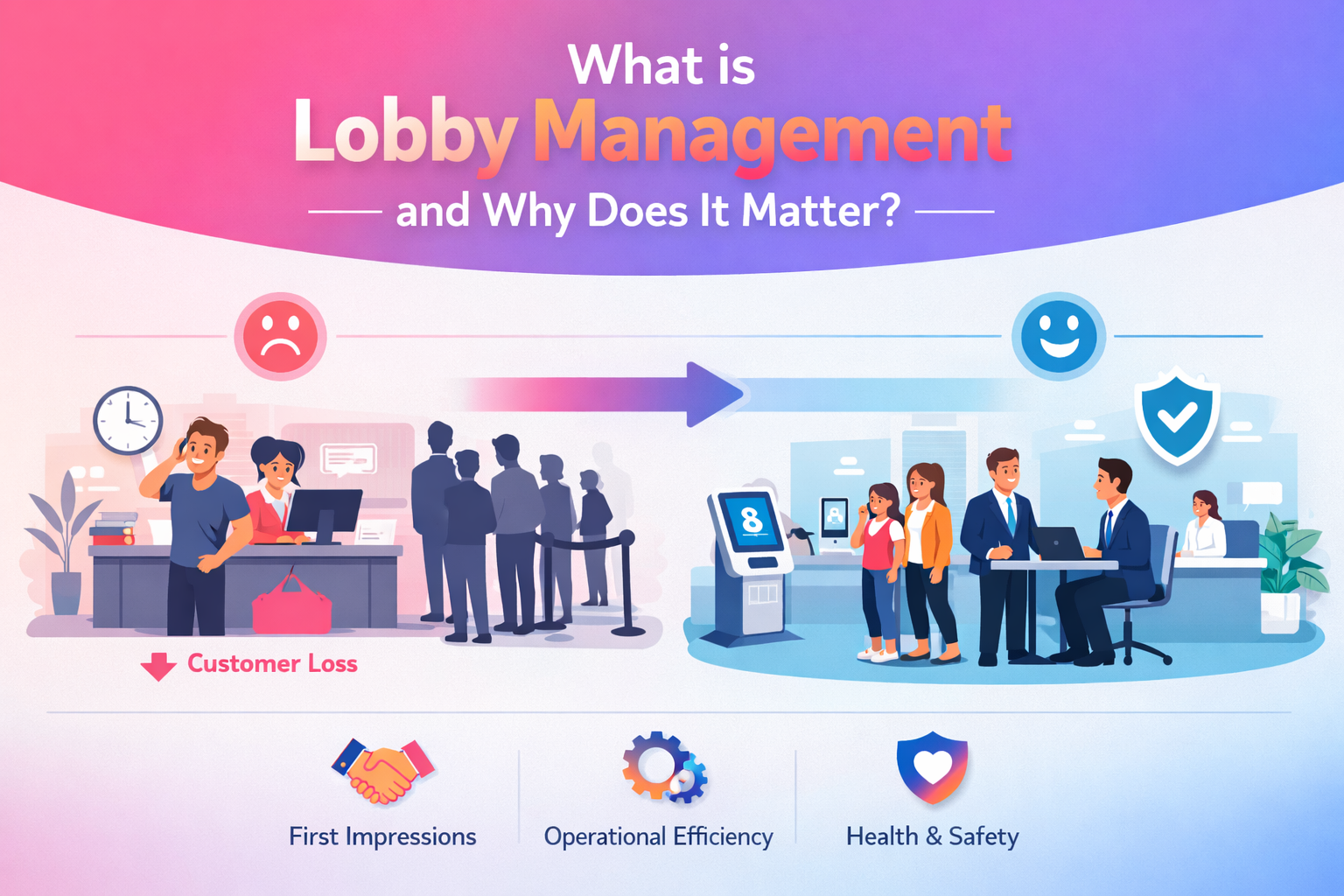
Why It’s Important:
Also read: The Ultimate Guide to Office Space Management
Managing a lobby may seem simple at first. People arrive, wait, and get served.
But in reality, it’s not that straightforward. Without a clear system, even a small number of visitors can lead to delays, confusion, and frustration.
The real challenge is not just handling people, but managing their time, movement, and expectations. When this isn’t done well, it quickly results in long queues, stressed staff, and a poor visitor experience.
Put simply, a poorly managed lobby doesn’t just slow things down. It affects how people see your business and how smoothly your operations run.
Let’s look at the most common challenges businesses face in lobby management.
Lobbies often become overcrowded during peak hours, creating a chaotic and uncomfortable environment for visitors and staff.
Healthcare facilities experience high traffic, especially during flu seasons, leading to long waits and frustration.
Without a clear process, visitors may not know where to go, whom to approach, or how long they will need to wait.
Visitors often have no insight into their queue status or estimated waiting times, leading to impatience and dissatisfaction.
Poor layout and seating arrangements can lead to underutilized spaces while others remain overcrowded.
Front-desk employees may struggle to manage visitors, answer queries, and handle operations simultaneously, reducing productivity.
Long waiting times and poor management often result in visitors leaving without completing their purpose, leading to lost business opportunities.
Lobbies often fail to cater to individuals with disabilities, making the environment less inclusive.
Post-pandemic, crowded lobbies raise hygiene concerns, discouraging visitors from waiting in such spaces.
Traditional lobby systems do not capture visitor behavior, making it hard for businesses to analyze and improve operations.
Real-Life Example:
Banks with outdated lobby and queue systems often see customers waiting in long queues for different services. Some customers needing simple transactions (e.g., passbook updates) get stuck in the same line as those requiring detailed services (e.g., loan discussions), creating inefficiencies and dissatisfaction.
A well-implemented lobby management system or Queue Management system can address these challenges by streamlining visitor flow, providing real-time updates, and improving overall customer experience.
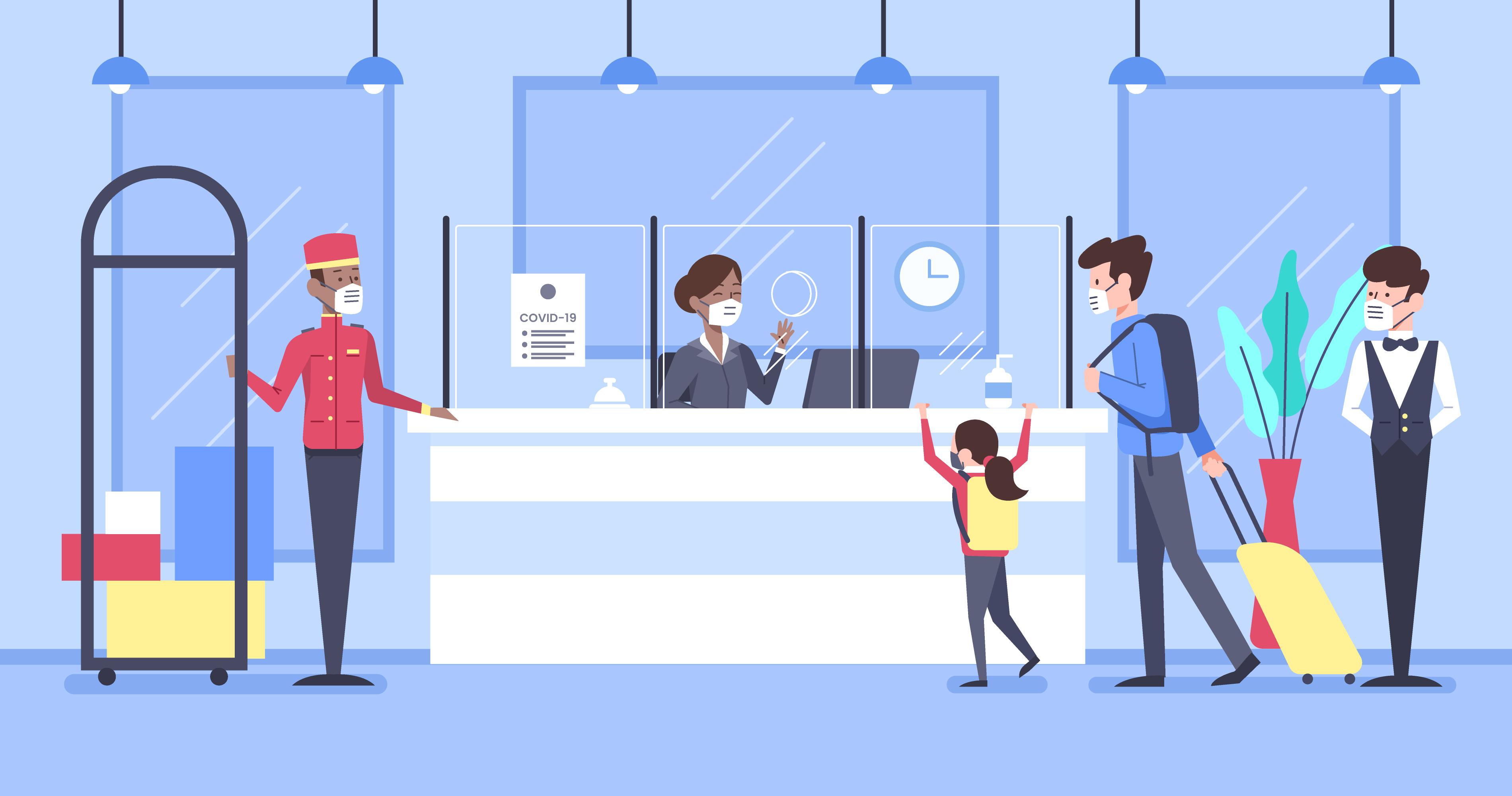
Effective lobby management is essential for businesses to improve customer satisfaction, streamline operations, and reduce inefficiencies. From retail and banks to hospitals, implementing the right strategies ensures smooth visitor flow and better overall experiences.
Below are key strategies to optimize lobby management effectively-
If your lobby still runs on “first come, first served,” you’re already behind. A modern queue management system doesn’t just organize lines. It predicts flow, distributes load, and reduces perceived wait time.Digital Queuing:
Visitors can join a virtual queue via mobile apps or kiosks, eliminating the need to physically stand in line.
Banks like HDFC use virtual queuing systems to direct customers to the right service desks, reducing congestion.
Prioritization Features:
The system can categorize visitors based on urgency or pre-scheduled appointments. For instance, in hospitals, emergency cases are prioritized over regular check-ups.
Digital check-ins allow customers to register their arrival through kiosks, QR codes, or mobile apps, reducing manual processes and wait times.
Self-Service Kiosks:
Visitors can input their details, select services, and receive estimated wait times.
Retail giants like Walmart use kiosks for pharmacy check-ins, ensuring customers are informed of their position in the queue.
Mobile App Integration:
Customers can check in remotely and receive updates about their turn.
Healthcare facilities like Apollo Hospitals use mobile apps for digital check-ins, enabling patients to wait outside the premises if needed.
Also read: How Electronic Kiosks Enhance Queue Management
The physical arrangement of the lobby plays a critical role in ensuring smooth visitor movement and comfort.
Clear Signage and Directions:
Use digital screens or boards to guide visitors to appropriate areas, reducing confusion.
Example: Banks like HSBC use digital displays to direct customers to counters for specific services.
Flexible Seating Arrangements:
Provide varied seating options, including individual and group setups, for better visitor comfort.
Dedicated Zones:
Segment lobbies into zones for different services, such as inquiries, quick transactions, or long-duration services.
Encouraging visitors to schedule appointments ensures better crowd control and reduces wait times.
Pre-Booking Options:
Visitors can book slots online for specific services, reducing walk-in traffic.
Example: DMV offices in the U.S. allow customers to pre-schedule appointments, significantly reducing lobby congestion.
Real-Time Rescheduling:
Appointment Scheduling Softwares allow visitors to reschedule missed appointments to avoid overcrowding.
Also read: Benefits of Using Appointment Scheduling Software
Transparency about wait times improves customer satisfaction and reduces perceived waiting times.
Mobile Instant Alerts:
Send notifications to customers about their queue status and estimated wait times.
Example: Hospitals like Fortis use SMS updates to keep patients informed about their turn.
Digital Signboards:
Display live queue information on screens in the lobby for better visibility.
Well-trained staff are critical to ensuring smooth lobby operations and excellent customer service.
Cross-Training:
Train employees to handle multiple tasks, such as managing check-ins and answering queries.
Empathy Training:
Staff should be equipped to handle frustrated or confused visitors calmly and professionally.
Example: Emirates Airlines trains its ground staff to provide personalized assistance in busy airport lounges.
Virtual queuing systems as Vizitor allow customers to wait remotely, improving both the customer experience and lobby efficiency.
Remote Waiting:
Customers can leave the lobby and return when their turn approaches.
Example: Starbucks’ mobile ordering system reduces on-site wait times by letting customers order and wait elsewhere.
Integrated Communication:
Notify customers through SMS or app notifications when their turn is near.
Also read: What is Virtual Queuing?
Digital registration replaces traditional logbooks, ensuring accurate data collection and faster check-ins.
Self-Service Kiosks:
Visitors can register themselves using kiosks, reducing dependency on front-desk staff.
Example: Retail outlets like IKEA use digital kiosks to direct customers to the right departments.
Pre-Registration:
Allow visitors to pre-register online for faster check-ins.
Issue digital or printed badges to visitors after check-in for better tracking and security.
Temporary Badges:
Issue time-limited visitor passes with RFID or QR codes for restricted areas.
Example: IT companies like Infosys use QR-coded badges for visitor movement monitoring.
Digital Badges:
Use mobile-based digital badges to eliminate the need for physical cards.
Visitor management system Vizitor issues digital visitor badges to eliminate long queues and waiting times making the lobby area crowd- free and comfortable to move.
Improve the waiting experience to enhance customer satisfaction.
Amenities in Waiting Areas:
Provide comfortable seating, refreshments, and Wi-Fi access.
Entertainment Options:
Install digital screens or reading material to engage visitors during their wait.
Use the Lobby Management System to gather visitor feedback and identify areas for improvement.
Real-Time Surveys:
Deploy touchscreens or mobile apps to collect feedback immediately.
Actionable Insights:
Analyze feedback data to improve visitor management processes.
Stat: Automated feedback systems can boost customer retention by 25%.
Before you fix a lobby, you need to understand what’s actually breaking it.
Most businesses don’t struggle because they lack effort. They struggle because their lobby operates without a clear system. The result is friction at every step of the visitor journey.
Here are the most common problems that quietly damage efficiency and experience.
Waiting is unavoidable. Uncertainty is not.
When visitors don’t know how long they’ll be waiting, even a short delay feels longer. During peak hours, manual check-ins and unmanaged queues can quickly pile up, turning a 5-minute process into a 20-minute experience.
Over time, this leads to:
Without a structured system, queues become unpredictable.
Visitors don’t know where to stand, who’s next, or how long it will take. Staff end up managing lines manually, which leads to errors, skipped turns, and unnecessary frustration.
What this really means is simple:
👉 confusion replaces order, and efficiency drops instantly
Reception teams are often expected to do everything at once:
When everything is manual, even a small surge in visitors can overwhelm the front desk.
This leads to slower processing, mistakes, and a stressful work environment that directly impacts visitor experience.
Most businesses have no clear answer to simple questions like:
Without real-time visibility, decision-making becomes reactive instead of proactive.
A poorly managed lobby is also a security risk.
Manual logbooks and verbal check-ins make it difficult to track:
Your lobby is your first impression.
A crowded, confusing, or slow-moving reception area signals disorganization, no matter how good your actual service is.
Visitors associate their waiting experience with your brand. And in many cases, that experience shapes their perception before any real interaction even begins.
Check-In: Customers use kiosks or apps to check in, reducing wait times.
Queue Management: Directs customers to available service reps, improving flow.
Walmart’s self-check-in kiosks streamline customer flow.
Digital Check-In & Security: Visitors verify their identity through digital kiosks.
Queue Management: Directs customers to counters for specific services. ICICI Bank uses kiosks and digital signage for smoother customer experience.
Also read: The Ultimate Guide to Queue Management system in Banks
Patient Registration: Pre-registration via mobile apps or kiosks reduces wait time.
Queue Management: Optimizes patient flow to the right departments.
Real-Time Notifications:Automated notifications via SMS or app alerts inform patients when their turn is near, reducing anxiety and enhancing their experience.
Also read: Benefits of Using Queue Management system in Hospitals
Visitor and Employee Management: Integrates both for seamless office entry.
Visitor Authentication and Access Control:
With the integration of biometrics or ID scanning, businesses ensure secure access to sensitive areas.
Airports and transportation hubs use LMS to improve passenger experience, reduce bottlenecks, and ensure smoother operations.
Digital Check-In and Baggage Handling:
Passengers can check in digitally at kiosks or via mobile apps, which can speed up the check-in process and direct them to their respective gates.
In all industries, the Lobby Management System enhances efficiency, reduces wait times, and improves customer experience.
Vizitor’s Queue management system also referred to as Lobby Management System is designed to streamline the visitor experience, ensuring efficiency, security, and convenience across various industries.
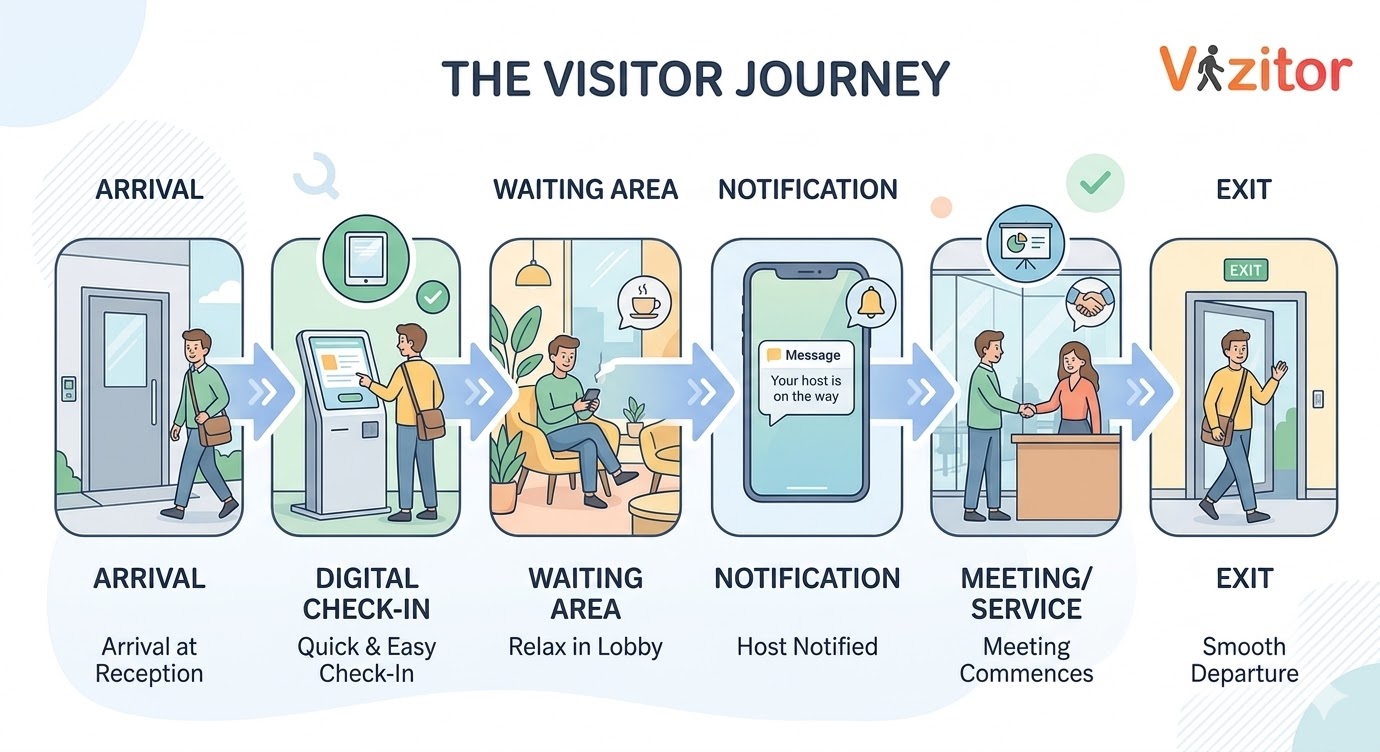
From banks to hospitals, businesses are increasingly adopting digital solutions to improve lobby operations.
Here’s a closer look at how Vizitor is transforming lobby management:
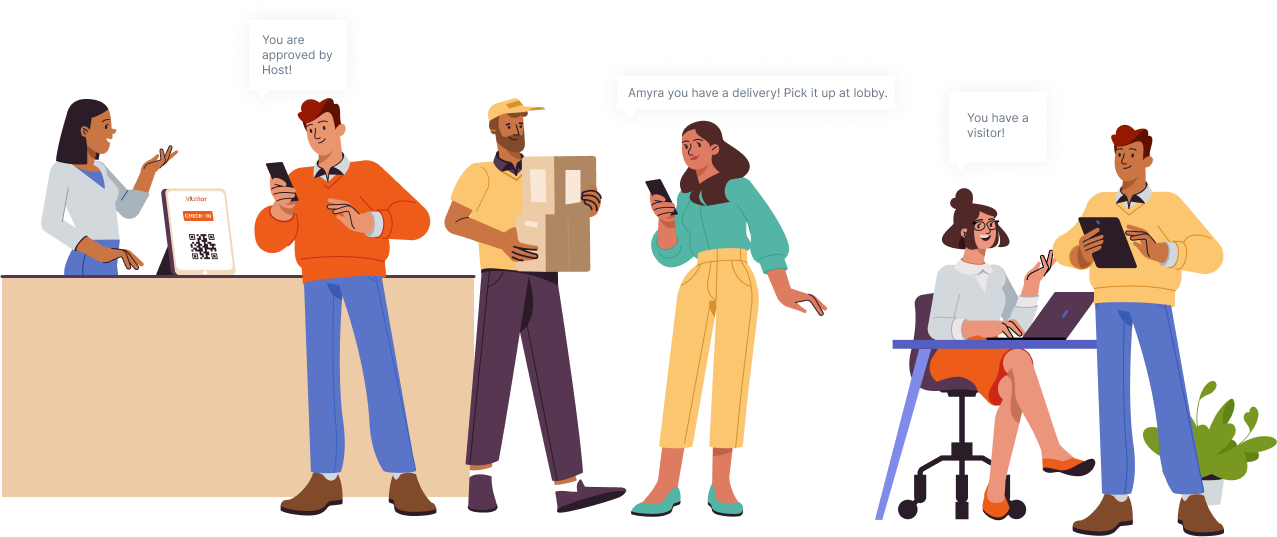
In today’s post-pandemic world, safety is paramount. Vizitor’s touchless check-in system allows visitors to register via QR codes or self-service kiosks, reducing physical contact. This ensures a safer and more hygienic environment for both visitors and employees.
Vizitor’s smart queue management system optimizes waiting times by providing virtual queues. Visitors can check in digitally and receive real-time updates on estimated wait times, ensuring a smoother experience and reducing crowding in lobbies.
Vizitor’s QMS sends automatic notifications to visitors about their check-in status, reducing anxiety and ensuring they’re always informed. This feature enhances transparency and improves visitor satisfaction.
Employees are notified in real-time when a visitor arrives, ensuring they are prepared and available. This seamless communication ensures a smooth visitor experience and avoids delays or confusion.
Businesses can customize the registration process based on their specific needs, such as adding purpose of visit or photo identification requirements.
This flexibility ensures that each business can gather the necessary information for security and operational purposes.
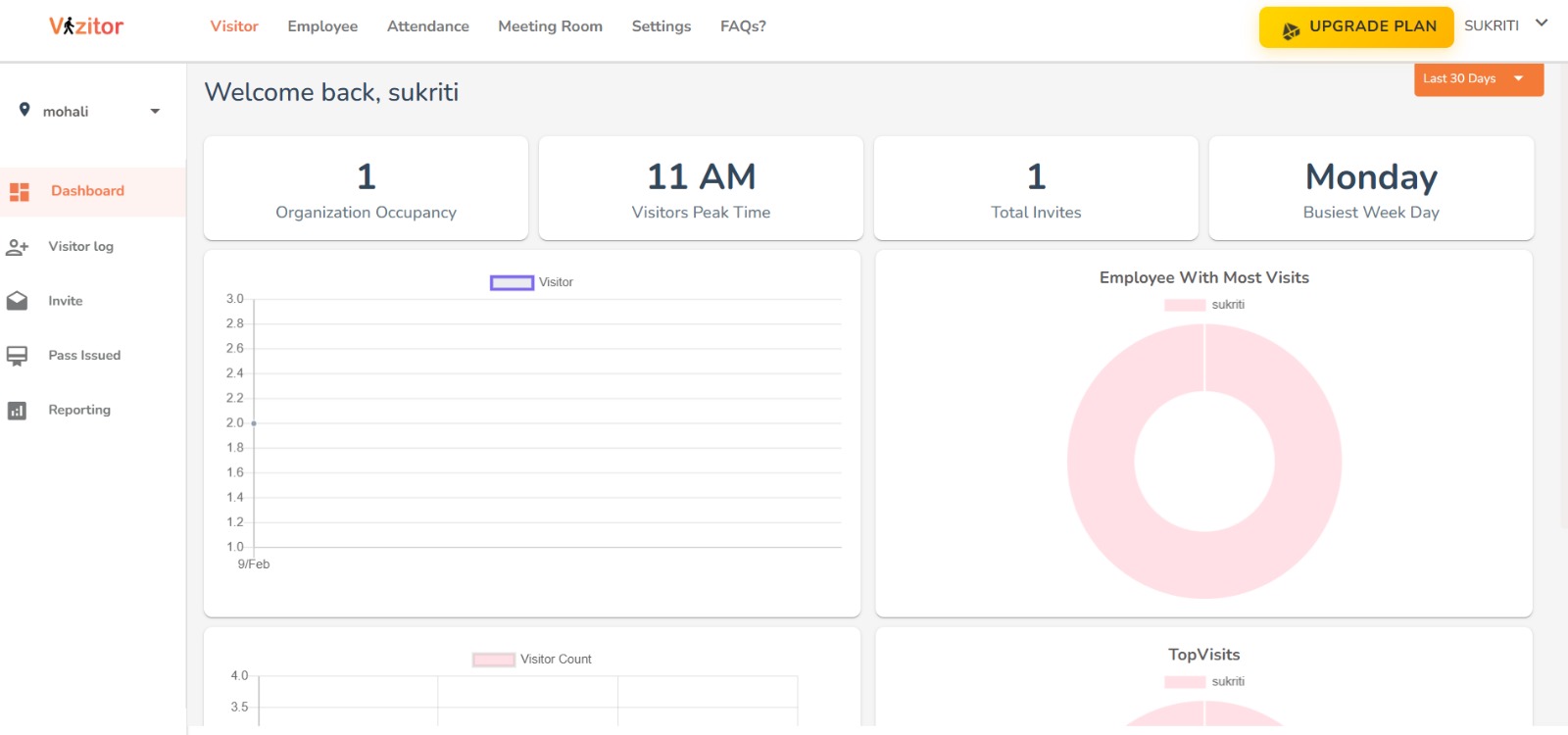
Vizitor’s Queue Management system provides comprehensive visitor analytics, helping businesses identify peak visitor times, average wait times, and visitor trends.
These insights enable businesses to optimize staffing, improve customer service, and enhance overall efficiency.
Visitors are issued digital passes with time-sensitive access, improving security while ensuring the check-in process is quick and efficient. This feature is particularly valuable for organizations with high-security protocols.
With its array of intelligent features, Vizitor’s Queue management system is revolutionizing how businesses manage visitors.
A seamless lobby experience is no longer a luxury but a necessity in today’s customer-centric world. Whether it’s reducing wait times, enhancing service delivery, or improving customer satisfaction, implementing a robust lobby management system is crucial for businesses across various sectors.
By embracing digital solutions and personalized service strategies, businesses can build stronger customer relationships and boost operational productivity.
Don’t let your lobby become a bottleneck for success.
Get in touch today to discover how a well-implemented lobby management system can transform your customer experience and streamline your operations! Let us help you create a welcoming, efficient, and customer-friendly space.
Contact Vizitor now to learn more about implementing these strategies and take your customer experience to the next level!
Sign Up today..
Lobby management refers to the process of organizing, monitoring, and controlling how visitors enter, wait, and move through a reception area. It covers everything from check-ins and queue handling to visitor flow and staff coordination. The goal is simple: reduce friction, improve efficiency, and create a smooth first impression.
A lobby management system is a digital solution designed to streamline visitor handling in reception areas.
It typically includes:
Reducing waiting time isn’t just about speed. It’s about control and visibility.
Here’s what actually works:
Queue management focuses on how visitors wait and are served.
Visitor management focuses on who the visitors are and how they are tracked.
To break it down:
Your lobby sets the tone before any actual interaction happens.
Poor lobby management leads to:
On the other hand, a well-managed lobby improves: