Long wait times are a major customer experience risk. This blog explains why waiting feels frustrating and how queue management systems reduce both actual and perceived wait time using virtual queues and digital check-ins.


Published on: Tue, Jan 20, 2026
Read in 5 minutes
We live in a world where almost everything is instant.
Food arrives in minutes.
Movies start in seconds.
Answers are one tap away.
Because of this, patience has fundamentally changed.
Today, when customers or visitors walk into a bank, office, clinic, or service center and see a long line, they don’t think “This place must be busy.”
They think “I don’t have time for this.”
Waiting is no longer a minor inconvenience.
It’s a customer experience dealbreaker.
In this blog, we’ll explore why waiting feels worse than ever, the psychology behind customer frustration, and how modern organizations use a queue management system to reduce wait times without adding staff or space.
This blog explains why waiting feels frustrating for customers, how long queues affect service experience, and how queue management systems help reduce wait times by making customer flow more organized and predictable.
Most organizations assume customers hate waiting because it takes too long.
That’s only half the truth.
Behavioral research shows that people don’t experience waiting in minutes, they experience it emotionally. Three factors make a short wait feel painfully long.
Standing in a physical line with nothing to do forces customers to focus entirely on the wait. Every minute feels stretched, and frustration builds before service even begins.
When customers don’t know how long they’ll wait, anxiety rises quickly. A five-minute wait with no information feels worse than a ten-minute wait with clarity.
If someone who arrived later is served first, even unintentionally, customers feel the system is broken. That emotional reaction often outweighs the quality of the service itself.
This is why reducing perceived wait time is just as important as reducing actual wait time.
Long wait times don’t just annoy customers, they quietly damage your business.
In walk-in environments, many customers simply leave when they see a line. These “walk-aways” are invisible losses that never show up in reports.
“Long wait time” is one of the most common reasons for negative reviews. A poor first impression can undo even excellent service.
Front-desk and service teams face the pressure of frustrated customers. Stress rises, mistakes happen, and morale drops, creating a cycle that’s hard to break.
Traditional queues were designed for a time when customers had fewer choices and more patience.
Today, physical lines:
Modern organizations are moving away from crowd control and toward flow management.
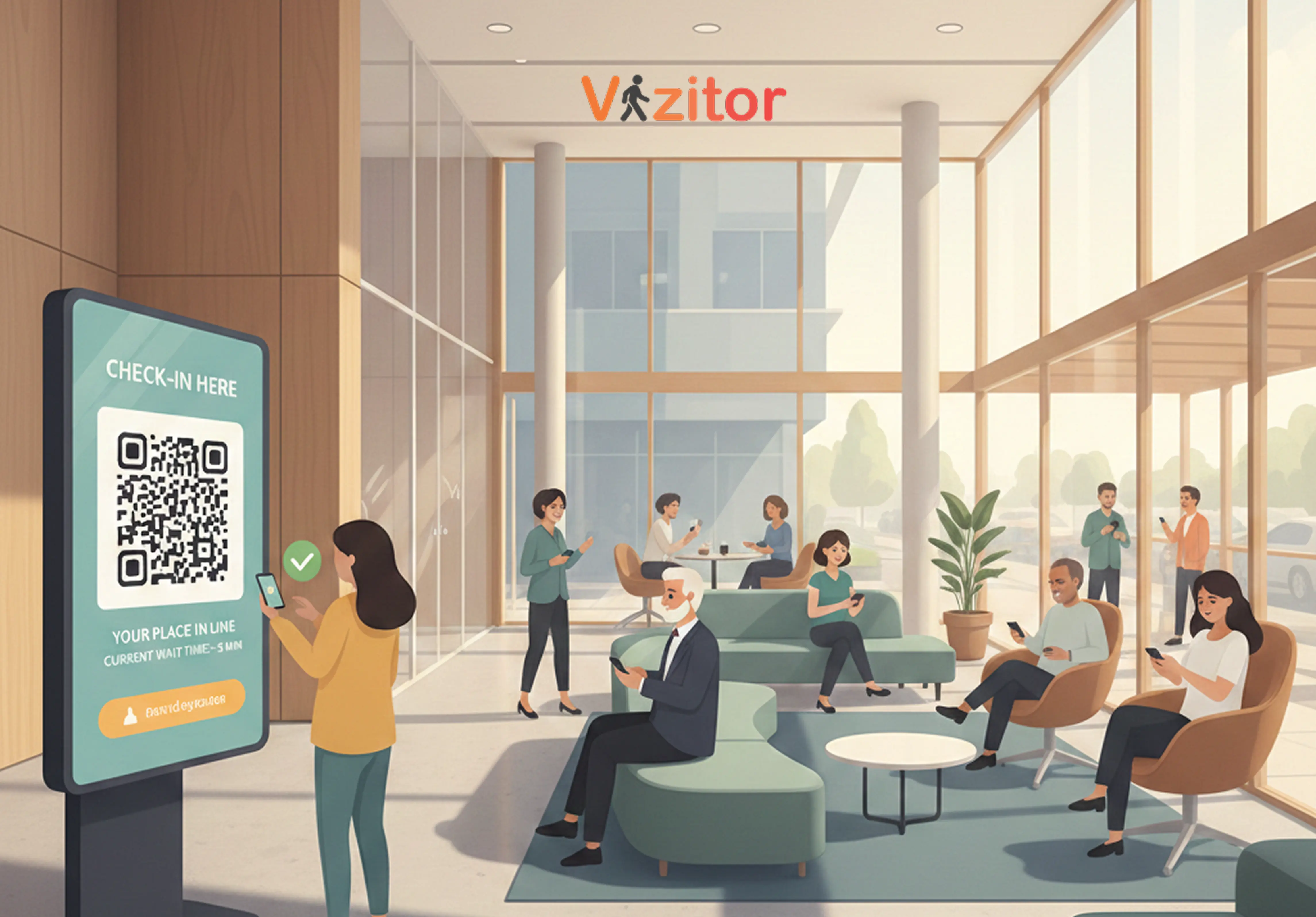
A virtual queue removes the most frustrating part of waiting, standing still.
With virtual queuing:
Even if service speed stays the same, customers feel calmer because waiting no longer feels like wasted time.
Uncertainty is often worse than the wait itself.
Providing:
Gives customers a sense of control. When people know what to expect, they’re far more patient and cooperative.
Handling all customers in one line creates confusion and perceived unfairness.
A smart queue management system allows:
This reduces bottlenecks and improves overall service efficiency.
Most teams react to crowds after they appear.
Queue data reveals:
With this insight, managers can adjust staffing before delays happen, without increasing headcount.
Manual check-ins slow everything down.
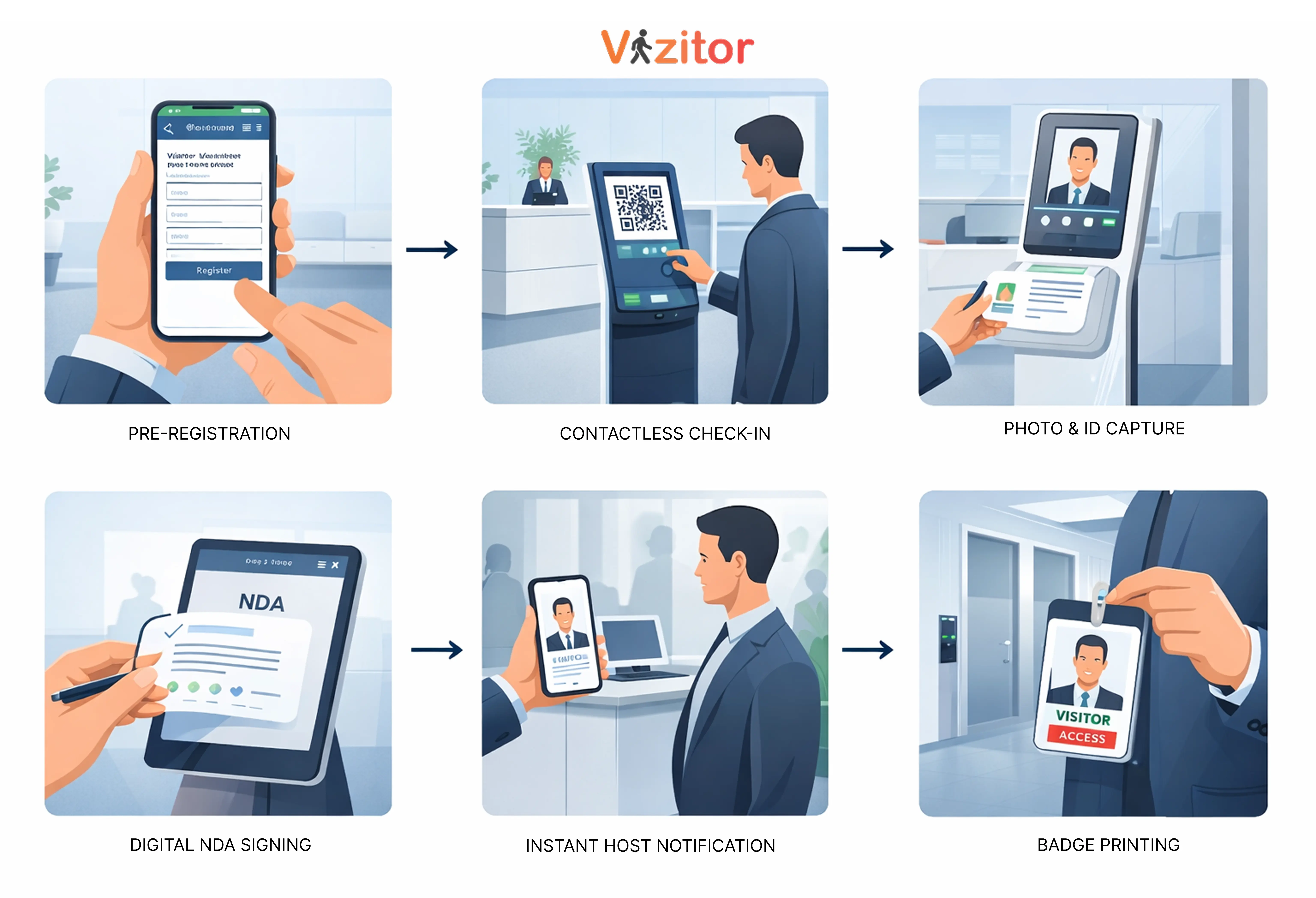
Digital check-in:
This allows staff to focus on service, not crowd control.
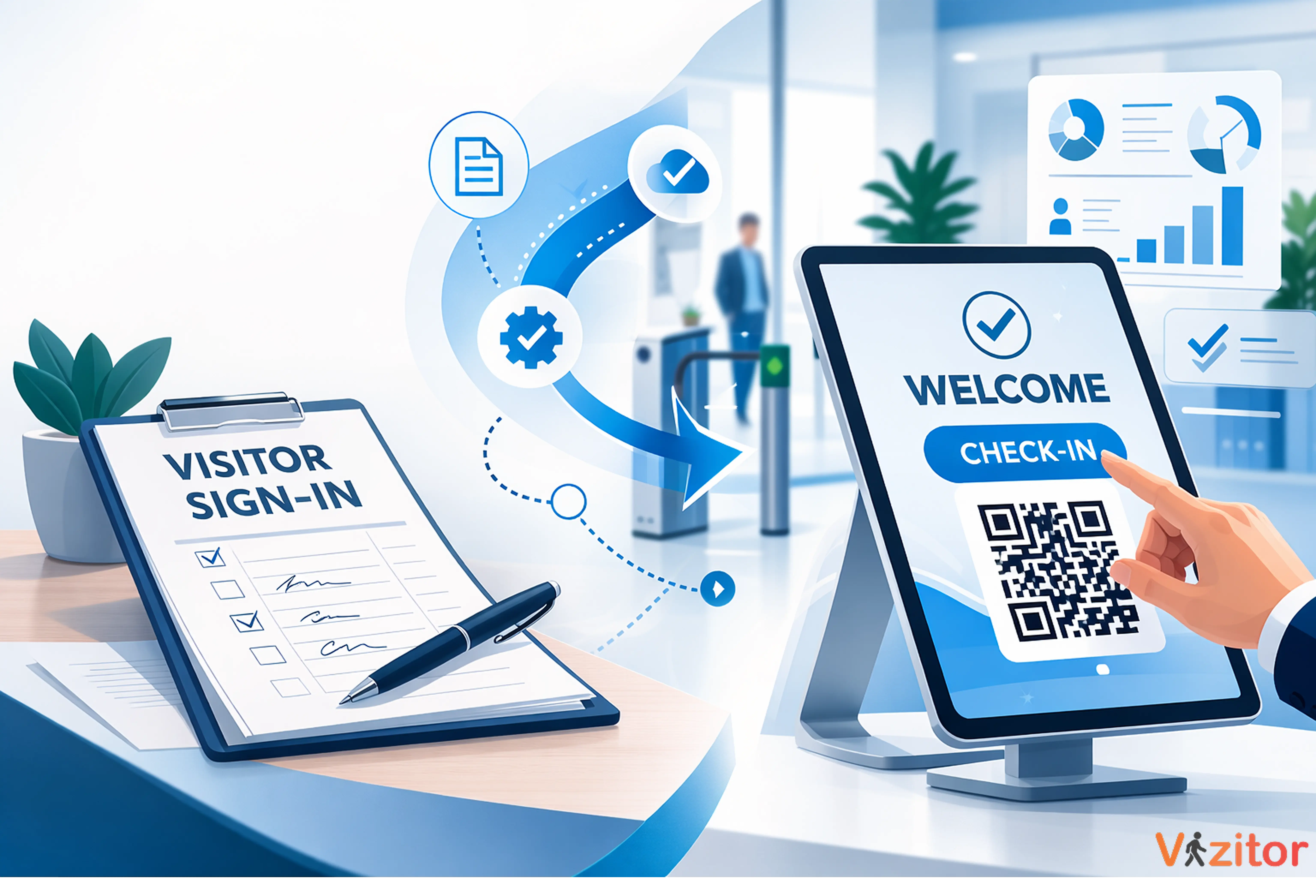
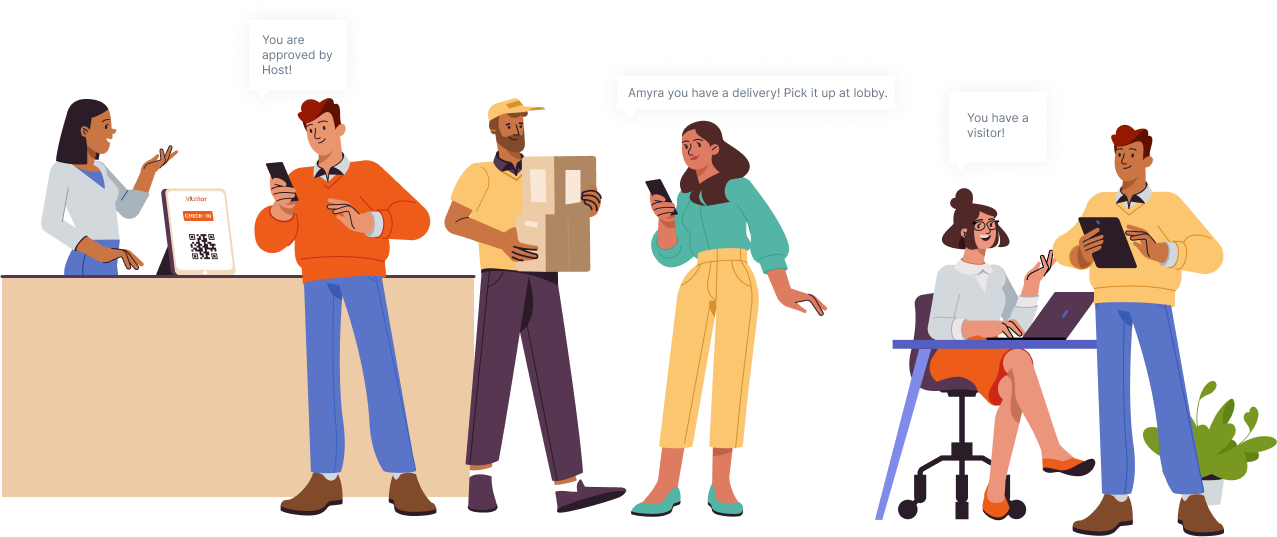
Vizitor helps organizations replace manual, physical queues with smart digital flow management.
With Vizitor, teams can:
Whether it’s a bank branch, corporate office, healthcare facility, or service center, Vizitor helps create calmer lobbies, faster service, and better customer experiences.
A queue management system organizes customer flow by replacing physical lines with digital or virtual queues, providing transparency, fairness, and better wait-time management.
They reduce both actual and perceived wait time by automating check-ins, managing multiple queues, and giving customers real-time updates.
Yes, Virtual queues significantly reduce frustration by allowing customers to wait comfortably and stay informed, instead of standing in crowded lines.
Yes, By using queue data and automation, organizations can improve flow and efficiency without increasing headcount.
Absolutely, Banks and offices use queue management systems to manage walk-ins, appointments, visitors, and peak-hour traffic more efficiently.
Customers may forget what you said or did.
They rarely forget how waiting made them feel.
Reducing wait time isn’t just an operational fix, it’s a statement that you respect your customers’ time.
When you remove the stress of waiting, you don’t just move people faster, you build trust.
See how Vizitor helps organizations turn waiting into smooth, digital flow and deliver better customer experiences.
Queue Management System- check
Contact us