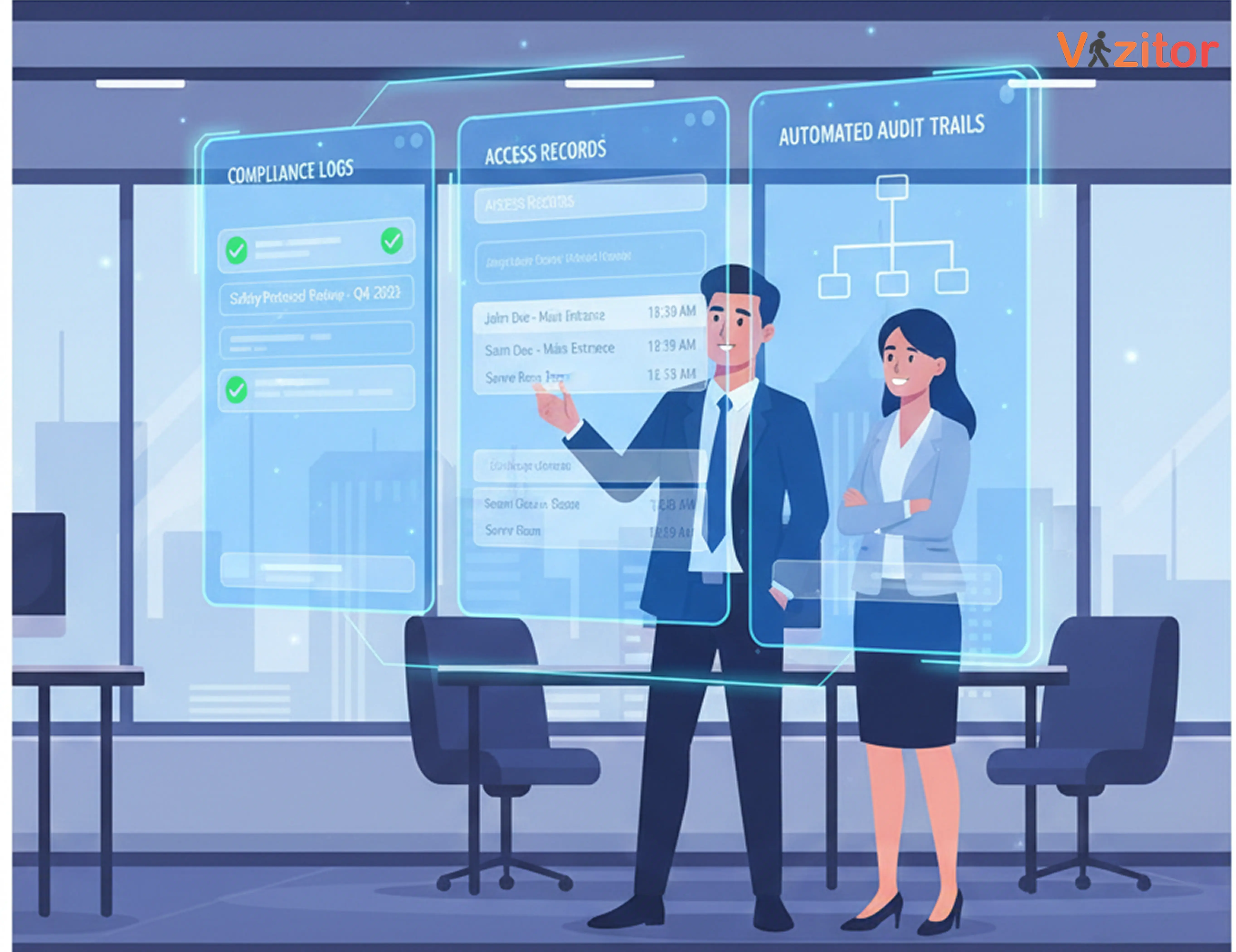
Digital logs have become the backbone of modern workplace compliance. They replace messy paperwork with accurate, time-stamped records that are secure, transparent, and instantly accessible. With digital tracking, businesses stay audit-ready, reduce risk, and maintain higher accountability across every team and process.


Published on: Mon, Dec 1, 2025
Read in 7 minutes
Once upon a time, compliance meant filing cabinets that groaned under the weight of paper, dusty ledgers no one wanted to decode, and managers who prayed nothing would go missing before audit season.
Today? Compliance is leaner, faster, and far more intelligent and the quiet hero behind this shift is the humble digital log.
Digital logs aren’t just “nice-to-have tech upgrades.”
They’re the backbone of modern workplace compliance. They keep your records clean, your processes transparent, and your teams audit-ready without the panic attacks.
Because if there’s one thing regulators and auditors love, it’s clarity. And digital logs give you that in real time no quill pens, no guesswork, and absolutely no coffee stains on important documents.
Let’s break it down.
Long before cloud dashboards and automated logs, workplaces lived in a world of paper trails so messy they made Indiana Jones’ expeditions look simple.
Companies used ledgers, handwritten notes, and “that one guy who knew where everything was.”
If he went on leave? Good luck.
Audits were slow, painful, and reactive. You usually discovered issues after they became expensive problems.
The 80s introduced spreadsheets, better, but still limited.
No version control.
No automation.
No traceability.
One wrong cell? Your whole record fell apart.
When laws like HIPAA, SOX, PCI-DSS, and GDPR entered the scene, organizations realized something fast:
Paper wasn’t going to cut it anymore.
Digital logs became the only sustainable way to stay compliant without burning days in manual documentation.
Now we’re in the era of:
Digital logs have evolved from “record-keeping tools” to full-blown compliance shields.
Let’s be honest, compliance isn’t glamorous. But digital logs make it bearable.
Here’s how:
Ever tried reading someone’s handwriting during a fire drill log entry?
Digital logs remove:
Every entry is exact, timestamped, and traceable.
Regulator asks for a log from 13 months ago?
You don’t need to go spelunking through dusty binders.
With digital logs:
Perfect for hybrid teams who need access from anywhere.
Ask any compliance officer, nothing beats the relief of having:
Audits become a conversation, not a crisis.
Digital logs don’t wait till month-end.
They show:
This means you can catch issues before regulators do.
Paper documents? Easy to lose.
Digital logs? Encrypted, permission-controlled, backed up.
Modern systems offer:
It’s compliance with a security guard built in.
Shift handovers used to rely on scribbles and “I’ll tell them tomorrow.”
Digital logs give teams:
No room for “But I thought you handled it.”
Digital logs elevate compliance across various workplace functions:
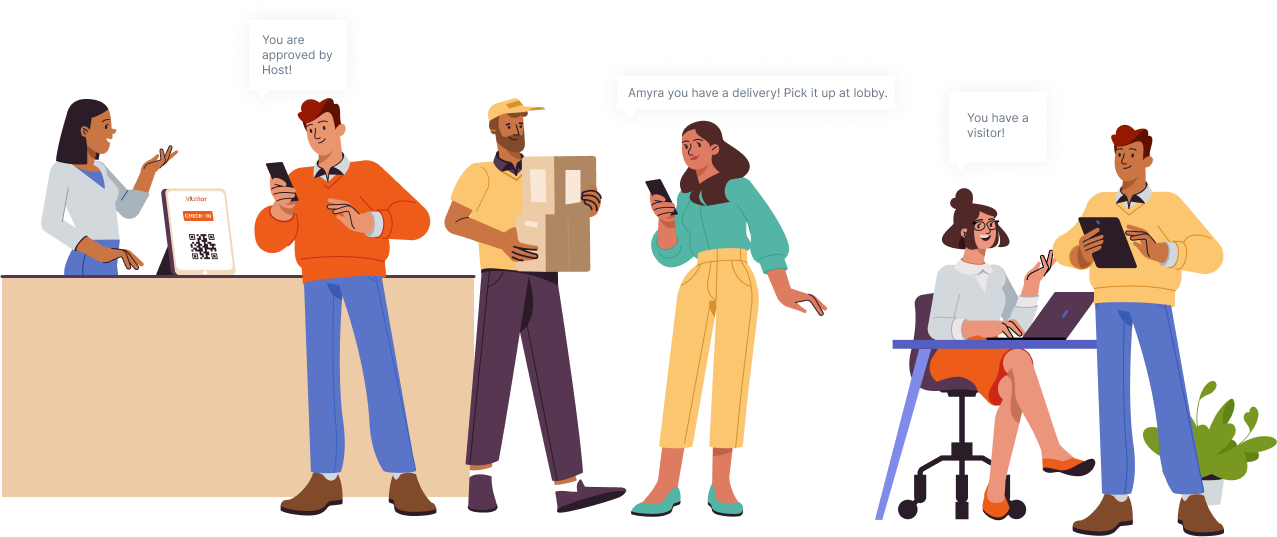
Accurate check-in/out records, host notifications, and time-stamped entries.
Reliable logs of staff hours, shifts, and presence patterns.
Organized parcel logs, recipient alerts, and seamless tracking.
Clear records of door access events and authorized entries.
Scheduled bookings, room utilization, and usage patterns.
Clear compliance trails for safety checklists and security procedures.
Digital logs unify all these activities into a single organized system.
Digital logs help organizations build a workplace where compliance becomes a natural habit not an added burden.
They encourage:
Teams work confidently knowing every detail is properly logged, stored, and accessible.
We’re heading into a future where digital logs do more than “record” what happened.
They’ll start predicting what might happen.
Imagine a system that predicts compliance risks before they occur.
Not science fiction this is already happening.
Logs that can’t be altered, ever.
Perfect for audits and legal protection.
Globally accessible, scalable, audit-ready.
Wearables that detect:
All logged automatically.
Organizations will shift from reactive “fix the problem” to proactive “avoid the problem entirely.”
Digital logs will be the engine behind this shift.
Because compliance isn’t optional.
Because transparency isn’t negotiable.
Because accuracy isn’t a luxury.
Digital logs give organizations:
And, more importantly, peace of mind.
Digital logs aren’t just improving compliance, they’re redefining it.
From dusty ledgers to intelligent cloud systems, the journey has been huge.
But the mission is still the same:
Keep your workplace compliant, safe, transparent, and ready for anything without drowning in paperwork.
This is exactly where Vizitor makes a meaningful difference.
With Vizitor’s suite of smart workplace tools from visitor management and attendance tracking to delivery logs and meeting room activity, your digital records stay organized, structured, and always audit-ready. Every entry is time-stamped, every action is traceable, and every team stays aligned through one unified platform.
Vizitor helps you build a workplace where compliance feels effortless, data stays clean, and your teams work with complete peace of mind.
Because when your logs are smarter, your workplace becomes stronger.
The digital revolution isn’t slowing down.
The only question left is:
Are you logging into the future yet?
Book a Demo Now!
Digital logs are electronically recorded entries that track workplace activities such as visitor check-ins, access events, deliveries, staff attendance, and compliance actions. They provide accurate, real-time, traceable data for audits and security.
Digital logs ensure transparency, eliminate manual errors, maintain time-stamped records, and create reliable audit trails. They help organizations meet regulatory requirements by providing clear proof of compliance activities.
Digital logs store all data in organized, searchable formats. When an audit occurs, companies can instantly pull historical records, access logs, and activity trails reducing audit preparation time from days to minutes.
Yes, Digital logs use encryption, access controls, and audit trails to prevent tampering or unauthorized access. Paper logs can be lost, damaged, or manipulated more easily.
Absolutely, Digital logs remove handwriting inconsistencies, missed entries, and human errors. Automation ensures data is complete, accurate, and recorded consistently every time.
They can, if implemented ethically. Businesses must follow clear privacy policies, limit unnecessary data collection, and comply with regulations such as GDPR or state monitoring laws.
Visitor management systems, attendance management software, access control systems, delivery logs, queue management solutions, and compliance reporting platforms all rely on digital logs.
Real-time logging lets companies detect unusual activity instantly unauthorized entries, system changes, failed access attempts and resolve issues before they escalate.
Reliability. Digital logs provide consistent, verifiable, time-stamped records that can’t be altered without leaving an audit trail, making them far more trustworthy during compliance checks.
Yes, Modern digital logging platforms integrate with access control, visitor management, HR systems, IoT devices, sensors, and enterprise dashboards to create a unified compliance ecosystem.