Digital queue management systems help offices reduce wait times, improve visitor flow, and increase front desk efficiency. This blog explains the key signs that indicate when an office has outgrown manual queue handling and needs a modern digital solution.


Published on: Wed, Jan 28, 2026
Read in 5 minutes
Remember the long, silent lines at offices, government offices, banks?
The restless shifting.
The unspoken frustration.
The feeling that time was slipping away for no good reason.
Now here’s the uncomfortable question:
Does your office create the same feeling, even subtly?
Not chaos.
Not failure.
Just… friction.
In 2026, waiting is no longer tolerated, it’s interpreted. Customers don’t see long queues as “busy”. They see them as inefficient, outdated, and avoidable.
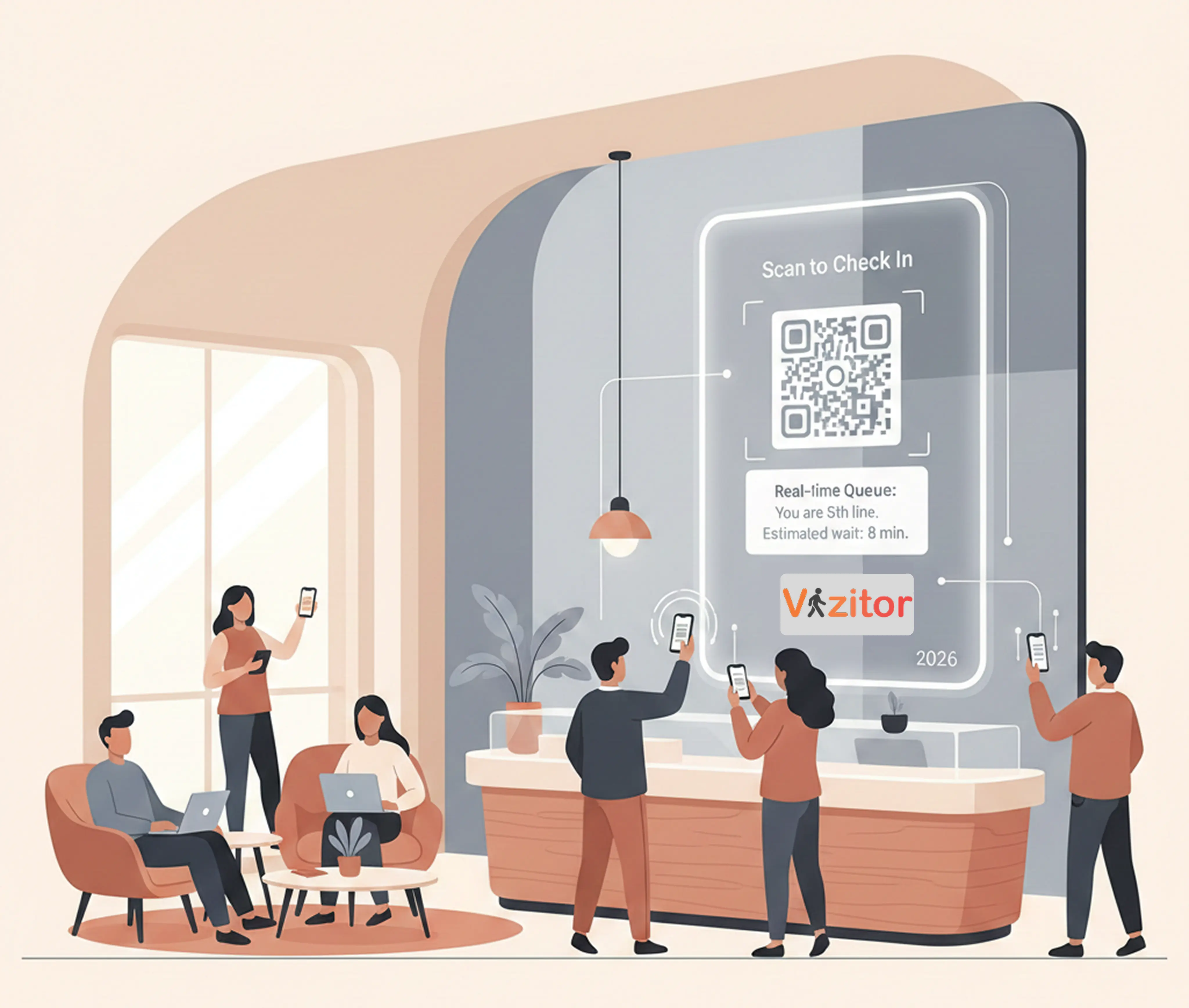
That’s where Digital Queue Management Systems (DQMS) come in. Not the old ticket dispensers. Not clunky kiosks. But intelligent, data-driven systems designed to reshape how waiting feels, not just how long it lasts.
This blog explores how waiting impacts customer experience and outlines five clear signs that show when an office needs a digital queue management system to create smoother, more predictable visitor flow.
Let’s look at the signs.
When queues grow, complaints follow.
Studies consistently show that over 80% of customers are willing to abandon a business due to long or unclear wait times.
If your reception regularly feels crowded or tense, you’re not just dealing with impatience, you’re leaking trust.
Digital queue management replaces visible lines with structured, transparent flow, calming visitors before frustration sets in.
The most expensive complaints are the ones you never hear.
A significant portion of customers will walk away silently when faced with long physical queues.
No feedback.
No escalation.
Just lost opportunity.
Virtual queuing allows customers to:
They stay connected to your service, even when they’re not physically standing in front of it.
When front desk teams spend their day answering:
They’re doing crowd control, not customer service.
Digital queue systems remove this burden by automating order, fairness, and communication, reducing stress and burnout while improving service quality.
If queue management relies on gut feeling, you’re operating blind.
Without data, you can’t answer:
Modern DQMS platforms provide granular insights into wait times, abandonment rates, and service efficiency, allowing teams to optimize workflows instead of guessing.
It’s 2026.
People expect:
When these expectations aren’t met, the experience feels dated even if your service itself is excellent.
Digital queue management aligns your front desk with modern digital behavior, not outdated habits.
Today’s systems go far beyond line control.
Key capabilities include:
The result?
Less visible waiting.
More perceived control.
Better experience, without rushing service.
As systems get smarter, data protection becomes critical.
With privacy regulations tightening globally, queue management must be:
Modern platforms must prioritize encryption, access control, and audit trails from day one.
The best technology fails if it’s hard to use.
Successful DQMS solutions are designed for:
Simplicity is not optional, it’s essential.
Queue systems are evolving fast.
What’s coming next:
Queue management is no longer operational plumbing.
It’s becoming a strategic experience layer.
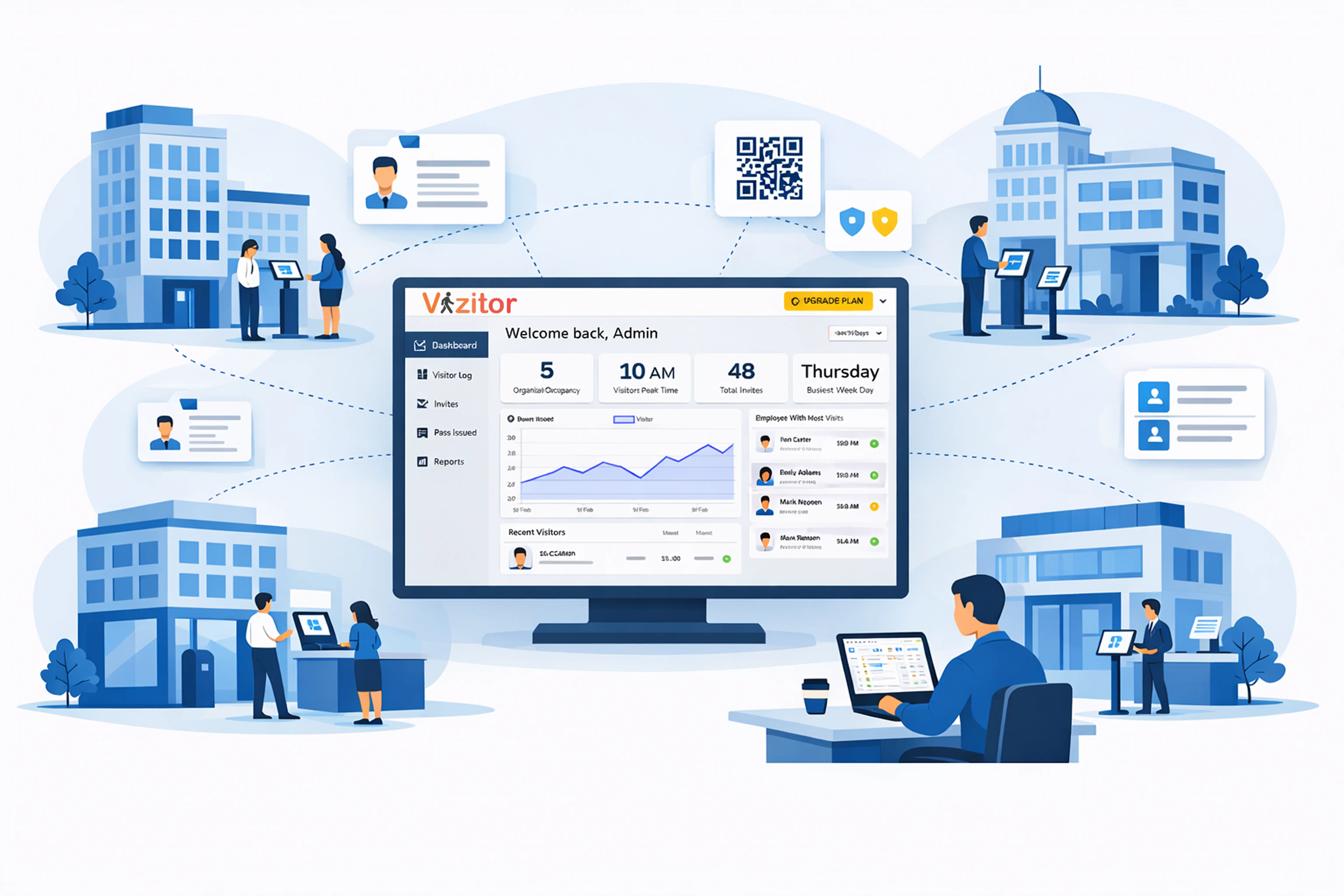
Vizitor’s digital queue management works hand-in-hand with visitor management to help workplaces:
Whether you manage an office, enterprise facility, or multi-location workplace, Vizitor helps you turn waiting into flow.
Waiting is no longer neutral.
It communicates how much you value time.
When customers and employees stop waiting, they start trusting.
And trust is what modern workplaces are built on.
Explore how Vizitor helps workplaces eliminate queues and create smoother, smarter visitor experiences.
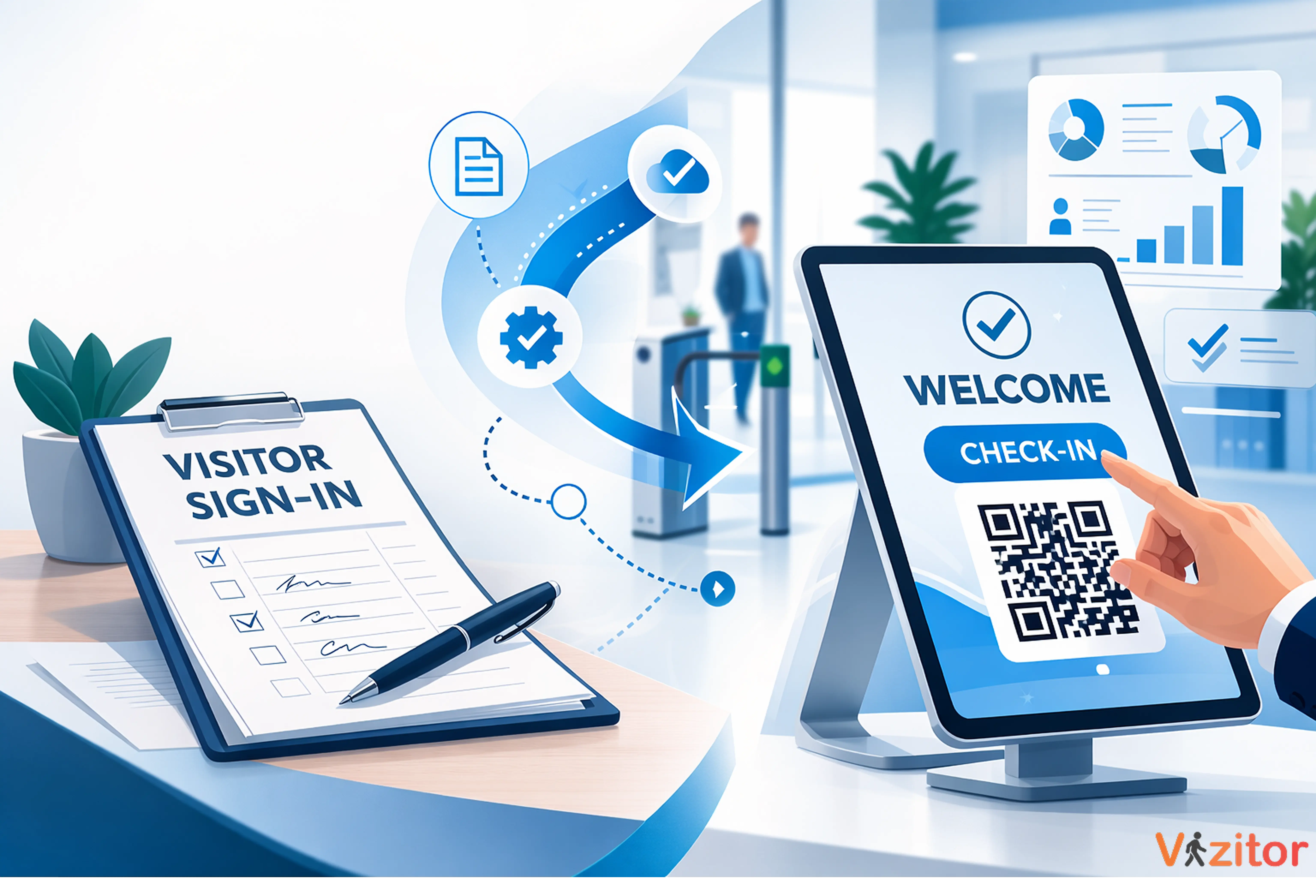
A digital queue management system allows visitors to check in digitally and wait virtually instead of standing in physical lines. It organizes visitor flow, provides real-time updates, and improves the overall waiting experience.
Digital queue systems reduce both actual and perceived wait times by managing visitor order automatically, providing clear updates, and eliminating confusion at the front desk.
Yes, Offices with frequent visitors, interviews, vendors, or shared reception desks benefit from digital queue management by reducing congestion, improving efficiency, and creating a more professional first impression.
Physical queues require visitors to wait in line at the reception, while virtual queues allow visitors to wait remotely or comfortably while receiving updates on their position in the queue.
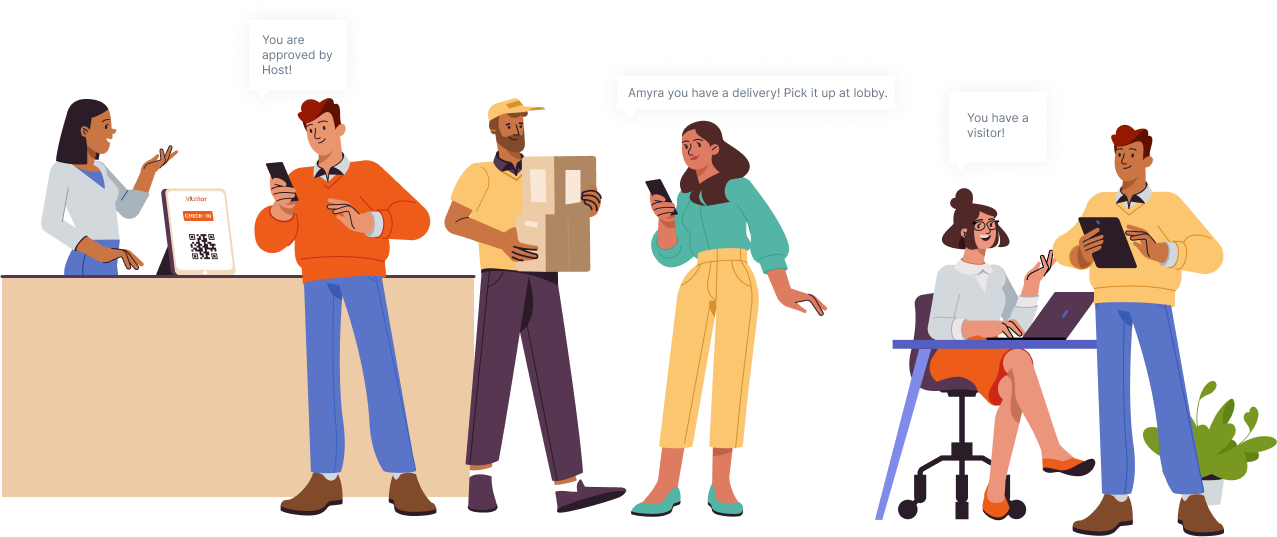
Yes, Digital queue management often works alongside visitor management systems to handle check-ins, notifications, security, and visitor tracking in one seamless workflow.
Yes, By reducing uncertainty, eliminating long lines, and keeping visitors informed, digital queue management creates a calmer, more predictable, and more positive customer experience.