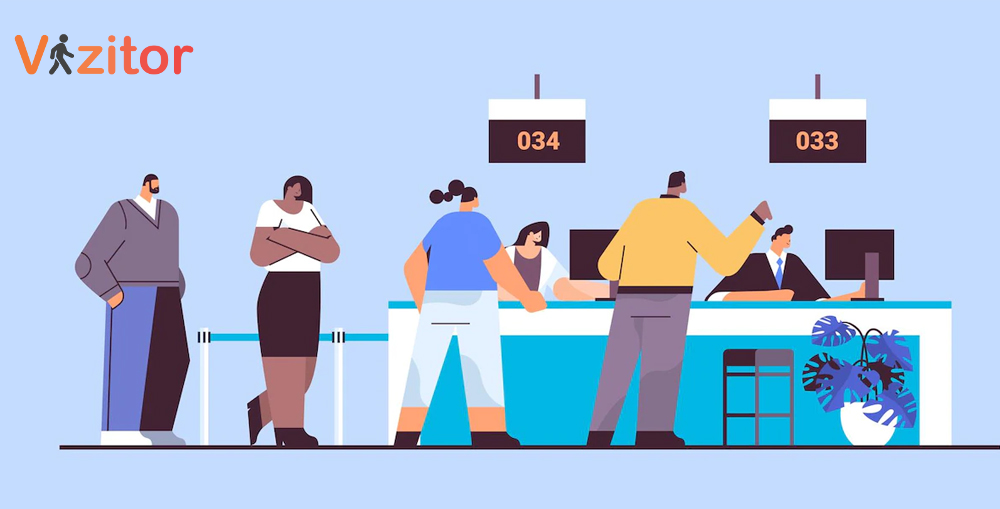
First impressions form in seconds and in offices, they influence trust, professionalism, and long-term relationships. A smooth, modern check-in experience helps create a positive emotional impact instantly. With Vizitor, workplaces turn those first moments into confidence and connection from the very start.


Published on: Tue, Dec 2, 2025
Read in 6 minutes
Walk into any office before the receptionist smiles, before someone says “hello,” before you even sign in, your brain has already made a decision.
A micro-judgment.
A feeling.
An instant “this place is professional” or “hmm… something’s off.”
That, right there, is the power of a first impression.
Humans form opinions in as little as 0.1 seconds. In the workplace, that tiny moment influences trust, confidence, credibility, and even long-term relationships. Whether it’s a new hire walking in, a client visiting your office, or partners dropping by, those opening seconds set the tone for everything that follows.
Modern offices understand this. Smart workplaces engineer that “moment of truth.” And it starts long before any conversation, often with the environment, energy, and your visitor management experience.
Let’s break down the psychology behind it.
Our brains are built for speed. Psychologists call it thin slicing, the brain’s ability to make accurate judgments with little information. In offices, the first cues your brain picks up include:
All of this happens before a single business conversation begins.
A smooth entry = trust.
A confusing, awkward entry = friction.
This is exactly where visitor experience becomes part of psychological design.
Lighting, seating, layout, colors; they all communicate the company’s values before anyone interacts with you.
A welcoming posture, a simple smile, proactive help; these cues tell visitors they are valued.
A clipboard sign-in says “old-fashioned.”
A smart, smooth digital check-in says “professional, secure, modern.”
This is one of the strongest psychological anchors in a visitor’s mind.
Researchers say impressions form based on three factors:
Is the space clean? Modern? Well-managed?
How do staff communicate? How attentive is the team?
How smooth is the process especially signing in or navigating the space?
A visitor management system directly impacts this third pillar.
Why?
Because nothing says “organized workplace” like a fast, professional check-in.
Here’s something modern offices often forget:
A first impression starts before a visitor even walks in.
Today, impressions come from:
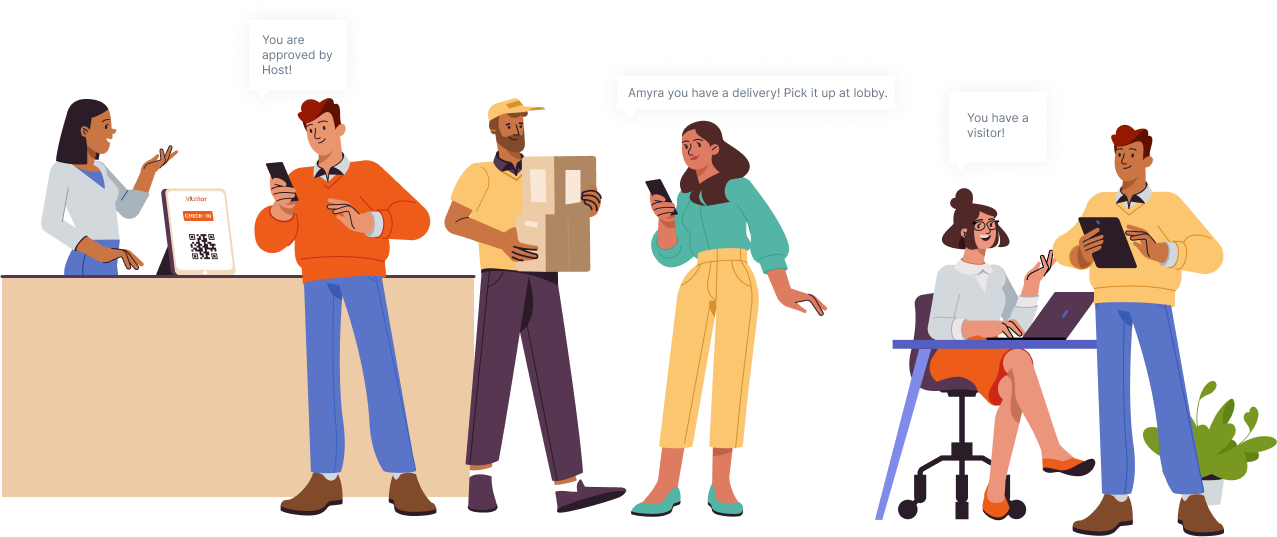
When a visitor arrives and sees their name pre-registered, host notified instantly, and check-in completed in seconds, your workplace earns an immediate trust boost.
That’s the psychology of anticipation met with delivery.
It signals reliability.
A client who is greeted smoothly will feel the company runs smoothly.
It signals culture.
A pleasant first day predicts stronger engagement and loyalty.
It signals competence.
An organized environment reflects an organized organization.
It sets emotional tone.
A warm office atmosphere boosts comfort and openness.
Good impressions aren’t vanity, they’re workplace psychology in motion.
Here’s where you can take control:
A modern check-in system reduces hesitation, confusion, and paperwork.
Instant, accurate, secure records make visitors feel protected and valued.
First impressions rely heavily on visual cues.
Eye contact, tone, clarity; all small signals with big psychological impact.
Automated host notifications & pre-visit confirmations give visitors certainty.
A smooth transition after check-in maintains the positive momentum.
A first impression should feel effortless not forced.
And that’s exactly what Vizitor is designed for.
With Vizitor, workplaces create a check-in experience that feels:
From the moment someone enters your office, Vizitor helps shape the feeling of:
“Wow, this place is different.”
Because good first impressions aren’t an accident, they’re engineered.
In today’s workplace, psychology and technology work hand in hand.
A visitor’s experience begins at the door and sometimes even earlier.
A smooth, thoughtful entry sets the emotional tone for trust, confidence, and long-term relationships.
With tools like Vizitor, your office doesn’t just greet visitors, it impresses them.
After all, the best impression… is the one that lasts.
Transform Your Office’s First Impression with Smart Check-Ins.
Get Started- CLICK HERE
First impressions influence trust, credibility, and comfort. A welcoming, well-organized entry helps visitors feel respected and confident in the workplace.
Reception behavior, cleanliness, lighting, communication style, and the check-in process all play a major role in how quickly people form opinions.
Studies show impressions form within 0.1 to 30 seconds. Small cues like body language, tone of voice, and environment trigger quick judgments.
A system like Vizitor streamlines check-ins, reduces wait times, ensures professional logging, and creates a smooth, modern visitor experience.
Clear signage, friendly staff, intuitive check-in, good lighting, clean layout, and a calm atmosphere all create a strong positive impression.
Digital logs make processes transparent, secure, and efficient, instantly showing visitors the workplace is organized and trustworthy.
Absolutely. A positive first impression improves confidence, strengthens client relationships, and sets the tone for productive interactions.
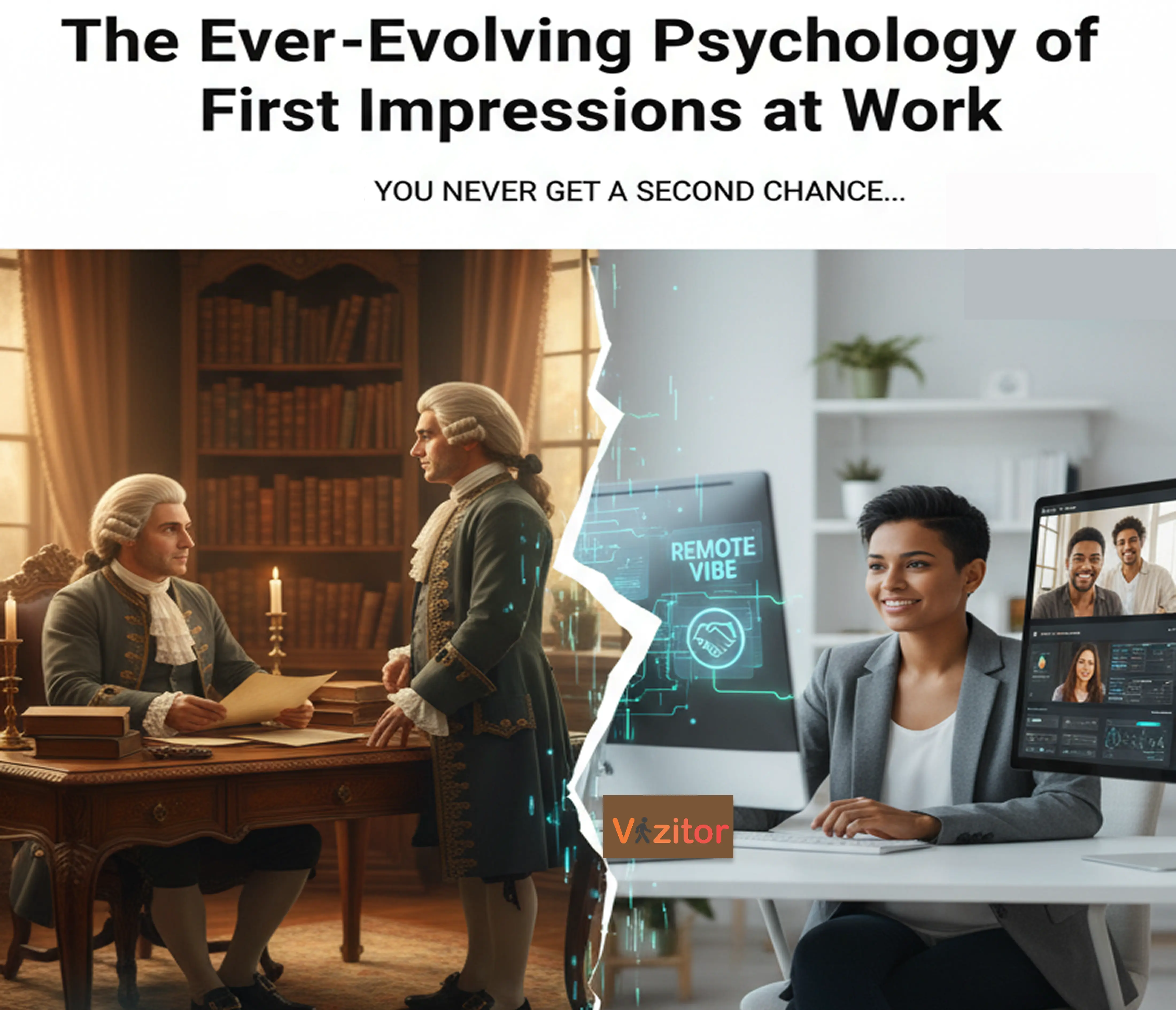
First impressions now begin digitally through invites, emails, pre-registration, and virtual check-ins, long before a visitor arrives onsite.
Open posture, eye contact, and a genuine smile signal warmth and competence, creating instant comfort during visitor interactions.
Vizitor creates a smooth entrance from smart check-ins to instant host notifications, helping offices look modern, prepared, and visitor-first.
Try Vizitor Free
No credit card required. Setup in under 5 minutes. Manage visitors, queues, meeting rooms, and more.
Start Free Trial