Best Practices for Effective Meetings and Room Booking



Table of Content
Try Vizitor for Free!
Whether you’re the meeting organizer or a participant, navigating the world of meetings and room bookings can feel like an obstacle course. But fear not! By following these best practices, you can transform your meetings from time-wasters to productive powerhouses, all while ensuring a smooth room booking experience.
Planning Makes Perfect: Before the Meeting
1. Room with a View (or the Right Equipment):
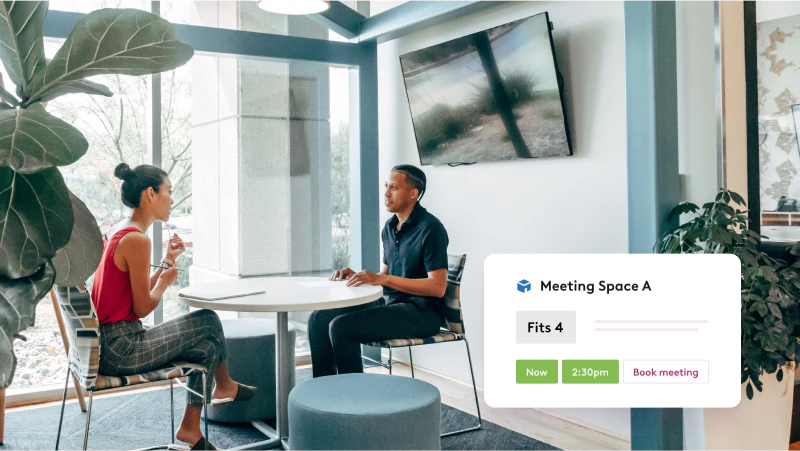
Match the room to the meeting. Avoid the “sardine can” effect by accurately estimating attendance and booking a room with the appropriate capacity. Don’t forget to factor in equipment needs – does your meeting require video conferencing, projectors, or whiteboards? Booking a room with the necessary tech from the get-go saves everyone frustration.
2. Information is Power (and Saves Time):
Clear and concise online invitations are key. Include a descriptive title, dial-in instructions for remote participants, and all-important room booking details. Is attendance mandatory or optional? Specify this upfront to avoid confusion.

3. The Art of the Agenda:
Develop a focused agenda before booking the room. This ensures everyone arrives prepared and the meeting stays on track. Aim for shorter meetings whenever possible – 30 minutes is ideal. For longer sessions (think hour-long), a well-defined agenda with clear timeframes is essential.
4. Respect Everyone’s Time:
Canceled meetings happen, but don’t let your room booking become a ghost town. Update the booking system if your meeting is cancelled – this frees up the space for others and eliminates the “is this room actually available?” guessing game.
Meeting Etiquette: Participant Edition
1. RSVP – Respond with Sincerity (and Speed):
Your response to a meeting invitation directly impacts the room booking process. A prompt “yes” or “no” allows the host to accurately determine room size, amenities, and even catering needs. If your plans change, inform the host ASAP – courtesy goes a long way.

2. Punctuality is Key:
Respect everyone’s time by arriving on time. Running late? A quick heads-up to the host allows them to adjust the agenda if necessary. Remember, late arrivals lead to late finishes, which impacts subsequent meetings and room bookings.
3. Snack Etiquette:
Consider the environment. Food can be messy and distracting, so avoid eating in meetings unless it’s a designated lunch break. Bringing a beverage (water, coffee) is perfectly acceptable, but be mindful of strong aromas.
The Future of Meetings is Here: Embrace the Change
These best practices may seem like a lot to juggle, but don’t worry! With a little effort, they become second nature. The good news? Meeting management software and room booking systems are constantly evolving, making the process smoother than ever. The ultimate goal? Optimize our time, minimize frustration, and free up space for the work that truly matters.
Bonus Tip: Download our complimentary meeting management checklist – it offers valuable tips for every stage of the meeting process, from planning to follow-up.
By following these simple guidelines and embracing new technology, you can transform your meetings and room booking experience, creating a more productive and positive work environment for everyone.
Frequently Asked Questions
How should a meeting room be chosen for a specific meeting?
Match the room to your expected headcount and required equipment. Avoid booking rooms that are too large or too small, and confirm in advance that all needed technology such as video conferencing systems, projectors, or whiteboards is available in the selected room.
What should be included in a meeting invitation?
A good meeting invitation includes a descriptive title, dial-in instructions for remote participants, the room booking details, agenda items, and a clear indication of whether attendance is mandatory or optional. This allows participants to prepare adequately and make informed decisions about attending.
Why is developing an agenda important before booking a meeting room?
A focused agenda ensures the meeting has clear objectives and stays on track within the allotted time. Shorter, well-structured meetings are more productive and make it easier to justify the room booking and the time taken from participants’ schedules.
What should you do if a meeting is cancelled after a room is booked?
Always update the room booking system immediately when a meeting is cancelled. This frees the space for other teams and prevents confusion among colleagues who may see the room as occupied when it is actually available.
How do RSVP responses affect meeting room bookings?
Prompt and accurate RSVPs allow the meeting host to select the right-sized room and arrange appropriate seating, catering, and equipment. Late or missing responses can lead to overcrowded or underbooked rooms, wasting resources and creating friction.
What is the best approach to punctuality for meetings?
Arriving on time shows respect for everyone’s schedule and ensures the meeting starts and ends as planned. If you are running late, notifying the host in advance allows them to adjust the agenda and avoid keeping the entire group waiting.
Try Vizitor Free
No credit card required. Setup in under 5 minutes. Manage visitors, queues, meeting rooms, and more.
Start Free TrialSee Vizitor in action check-in a visitor in under 30 seconds
Trusted by 500+ businesses. QR check-in, badge printing, NDA signing. Plans from $36/mo.