Setting a Front Office Dress Code That Reflects Your Brand
This article explains how a front office dress code shapes visitor first impressions and should follow brand identity, from leadership modeling a silent dress code to a written policy that stays inclusive and specific enough to matter. It covers where dress codes commonly backfire and how staff appearance complements a digital visitor management system.


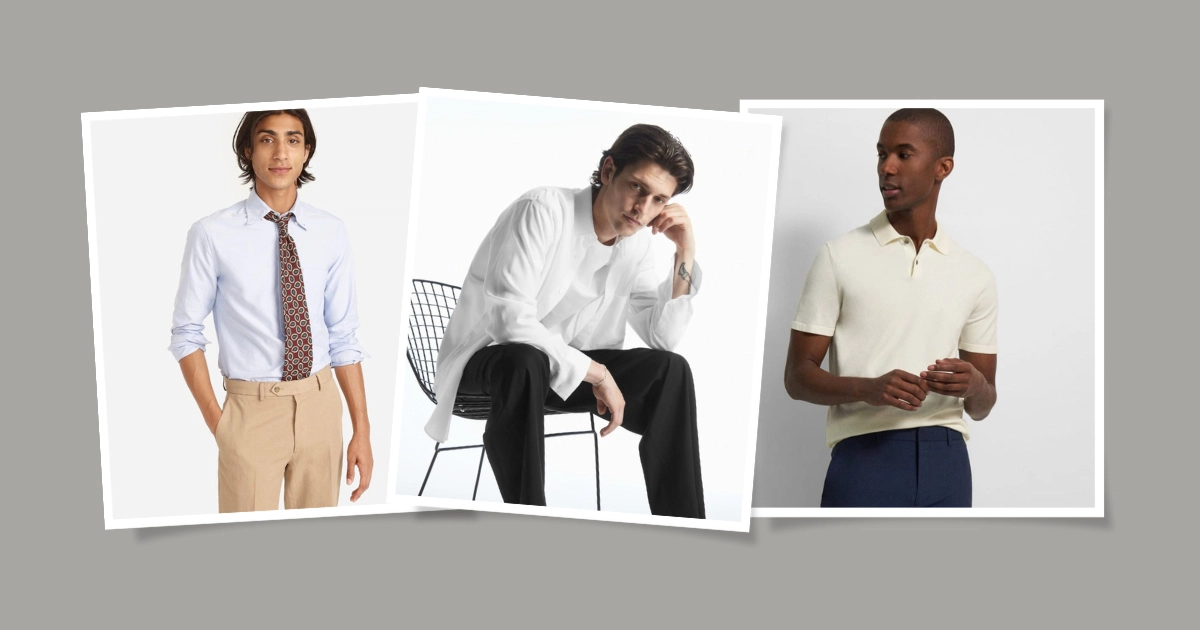
Table of Content
Try Vizitor for Free!
A visitor forms an opinion about your company before your receptionist finishes saying hello. Their eyes go to the desk, the check-in process, and what your front-of-house team is wearing, usually in that order. A dress code is the cheapest lever you have over that last one, and most companies either ignore it completely or overcorrect with a rulebook nobody reads.
The right approach depends less on rules and more on what your brand is already trying to say. A law firm and a design studio shouldn’t dress the same way. Forcing one template onto both jobs is where most dress codes go wrong.
Why Receptionist Dress Code Shapes First Impressions
Receptionists are usually the first person a client, candidate, or partner meets face to face. Their appearance says something about the company before a single word gets exchanged.
A polished, brand-aligned look does three things at once. It reinforces what your company stands for. It builds trust faster, because visitors read competence off small details without realizing it. And it gives your whole front-of-house team one consistent standard to work from, instead of five people making five different calls each morning.
Match the Dress Code to Your Brand, Not a Generic Template
Skip the generic “business professional” wording that gets copied from one HR handbook to the next. Start with what your brand already communicates, then let the dress code follow it.
Start With Your Brand’s Personality
Ask what your company already is, not what a template office is supposed to look like. A modern, creative brand can lean into expressive outfits and bold colors. A traditional, trust-first brand, like a law firm or a bank, usually does better in classic business formal: tailored pieces, conservative colors. An eco-focused brand can lean toward neutral tones and natural fabrics, which quietly reinforces the message without a word about sustainability.
Balance Professional and Comfortable
Business casual works for most receptionist roles: blouses, collared shirts, dress slacks, knee-length skirts. It reads as put together without asking someone to wear a full suit for an eight-hour shift behind a desk.
Clear guidance matters more than most companies assume. A November 2024 Forbes analysis of workplace-style research cited a Creative Access survey where 43% of workers said they’d received no dress code guidance at all, and 82% said they’d benefit from clearer expectations. The same piece cited a Style Space survey of more than 700 working women, finding that 96% felt more confident in their abilities when they also felt confident in their style. Vague or missing guidance doesn’t read as flexible. It reads as unclear, and unclear is the last thing you want your front desk projecting.
Footwear is worth naming specifically, even though it rarely makes it into a written policy. A receptionist stands and walks far more than most desk roles: greeting people, walking visitors to meeting rooms, standing at a printer. Comfortable, closed-toe shoes hold up better across a full shift than anything chosen purely for looks.
Adjust for Industry and Occasion
Dress expectations shift by industry and occasion. Corporate offices lean toward business formal for a polished, buttoned-up look. Creative agencies have more room for fashion-forward or trend-led pieces. For a high-profile client visit or a board meeting, it’s worth asking reception to dress a notch more formal than the daily standard, just for that day.
The Silent Dress Code: When Leadership Sets the Tone
Not every company needs a written policy. Culture usually teaches dress code faster than a document does. When managers and executives consistently dress the way the brand wants front-of-house staff to dress, most employees copy it without being told.
This works best in companies with a strong, clearly communicated culture already. If leadership dresses inconsistently, or nobody’s quite sure what “professional for us” actually means, a silent dress code has nothing to model. You’re better off writing one down instead.
Where a silent dress code does work, three things keep it working: managers actually dressing the part instead of just describing it, brand values getting said out loud often enough that new hires pick them up fast, and enough trust in staff judgment that nobody feels like they’re guessing.
Writing a Dress Code Policy That Doesn’t Backfire
A written policy earns its place when a silent one isn’t cutting it, or when a company has grown past the point where “ask around” works as onboarding. A few things separate a policy that helps from one that creates more friction than it solves.
The biggest mistake is writing rules that are too specific. A dress code that lists banned fabrics, exact skirt lengths, or acceptable hair colors reads as controlling, and it opens the door to enforcement disputes HR would rather avoid. Broad expectations, like professional and brand-aligned, do more work than five pages of specifics ever will.
The second mistake is language that isn’t genuinely inclusive. A dress code should work regardless of gender, religion, or disability, which means avoiding rules that quietly assume everyone dresses the same way for the same reasons. “Present yourself professionally, in a way that reflects our brand” covers almost every real situation without singling anyone out.
The third mistake is skipping legal review entirely. Dress codes intersect with local anti-discrimination and workplace law more often than managers expect, and a policy that looks reasonable on paper can still create liability if nobody checks it before it goes out.
Where Dress Code Meets Your Front-Desk System
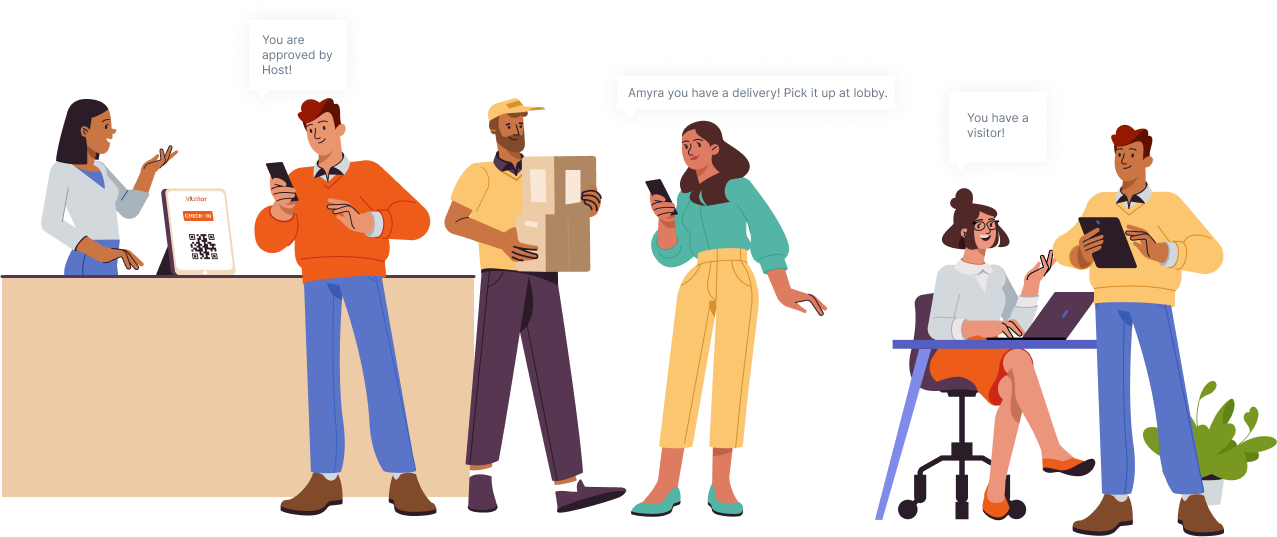
A well-dressed receptionist and a well-run check-in process solve two different halves of the same problem. Dress code handles the human, personal read a visitor gets in the first few seconds. A visitor management system handles everything after that: how fast check-in goes, whether the host gets notified instantly, and whether the record of who visited is actually searchable later.
Branded, on-screen check-in and digital visitor badges extend the same visual consistency a dress code creates, so the arrival experience feels considered rather than assembled from whatever was on hand. Instant host notifications remove the other common failure point: the long, awkward wait after check-in with no one coming to greet the visitor. For visits that need paperwork, like NDAs or safety agreements, collecting a signature digitally keeps that step from undoing the professional impression the front desk just built.
Most offices spend more time picking reception furniture than deciding what reception should wear, even though the outfit is the part that actually talks back. Start with what your brand already is. Let leadership model it if your culture is strong enough to carry that. Write it down only once “ask around” stops working as an onboarding plan.
Pair that with a visitor management system that handles the operational half of the same first impression, and the whole front-of-house experience, human and digital, starts working from the same standard.
Try Vizitor Free
No credit card required. Setup in under 5 minutes. Manage visitors, queues, meeting rooms, and more.
Start Free TrialFrequently Asked Questions
See Vizitor in action check-in a visitor in under 30 seconds
Trusted by 500+ businesses. QR check-in, badge printing, NDA signing. Plans from $36/mo.