Punctuality is more than being on time, it’s the heartbeat of a productive workplace. When teams show up prepared and on schedule, work flows smoother, trust grows faster, and results improve instantly. With the right habits and smart attendance tools like Vizitor, punctuality becomes a culture, not a challenge.


Published on: Wed, Mar 5, 2025
Read in 9 minutes
Did you know?
Punctuality is one of the simplest yet most powerful habits that determine workplace success. Studies show that 20% of employees struggle with punctuality, which leads to productivity loss, missed deadlines, and unnecessary workplace friction. Whether you’re an employee, leader, or manager, punctuality in the workplace plays a major role in efficiency, respect, teamwork, and professionalism.
The classic story of The Rabbit and the Hare teaches us a timeless lesson. In the race to meet deadlines, the Rabbit represents steady progress and good time management, while the Hare shows rushed, last-minute work due to overconfidence and procrastination.
Punctuality in the workplace is much like the Rabbit’s approach – steady, reliable, and efficient.
Punctuality means being on time- arriving at work punctually, starting meetings on time, completing tasks before deadlines, and respecting others’ schedules. In workplace culture, punctuality signals discipline, reliability, and accountability.
These behaviours demonstrate consistent workplace punctuality and build trust across teams.
Related: Learn How Improving Efficiency in the Workplace Boosts Productivity.
Punctuality matters in the workplace for several key reasons:
When people practice punctuality, tasks start on time, meetings run smoothly, and workflows don’t get disrupted.
Being punctual signals maturity, discipline, and respect for others’ time.
Punctuality improves communication and ensures everyone works in sync.
Consistent punctuality prevents delays, improves output quality, and reduces last-minute stress.
Workplaces known for discipline and punctuality make good impressions on clients, partners, and stakeholders.
Punctuality is more than just arriving on time, it’s a cornerstone of modern workplace culture. With increasing emphasis on remote work and flexible schedules, being punctual takes on new forms, such as joining virtual meetings promptly, responding to emails within a reasonable timeframe, and adhering to project deadlines.
It now includes:
A culture of punctuality builds trust and accountability, making employees more reliable and teams more cohesive. It also contributes to a company’s reputation, showing clients and stakeholders that the organization values discipline and efficiency.
1. Traffic: Delays due to heavy traffic or transportation issues are a frequent cause of tardiness.
2. Procrastination: Waiting until the last minute to prepare for work or complete tasks can lead to running late.
3. Oversleeping: Not waking up on time or hitting the snooze button excessively can result in being late.
4. Unforeseen Circumstances: Unexpected events like car breakdowns, public transportation delays, or family emergencies can cause lateness.
5. Poor Time Management: Inefficient planning or prioritization of tasks can lead to difficulty in meeting deadlines or arriving on time.
6. Distractions: Getting sidetracked by distractions such as social media, personal phone calls, or unrelated tasks can contribute to being late.
7. Lack of Accountability: Not taking personal responsibility for punctuality or disregarding the importance of timeliness can also lead.
Identifying these issues helps organizations design better punctuality improvement strategies.
In an era where remote and hybrid work models are becoming the norm, punctuality isn’t limited to physical presence anymore. It also involves being digitally present, available, and prepared.
Key considerations for punctuality in remote work include:
When teams operate remotely, the impact of tardiness can ripple across time zones, leading to inefficiencies. This makes punctuality even more critical in maintaining productivity and trust.
Myth 1: Being Late Occasionally is No Big Deal.
Reality: While occasional tardiness is understandable, habitual lateness disrupts workflows and affects team morale.
Myth 2: Punctuality Only Matters in Traditional Office Settings.
Reality: In remote and hybrid setups, punctuality is even more crucial to ensure smooth communication and avoid project delays.
Myth 3: Time Tracking Feels Like Micromanagement.
Reality: Modern time-tracking tools empower employees by helping them manage workloads effectively while providing insights to optimize productivity.
Scenario 1: The Missed Meeting Opportunity: Imagine a client meeting where a team member arrives late. The delay not only wastes valuable time but also sets a poor impression on the client.
Lesson: Arriving on time shows professionalism, builds trust, and ensures discussions progress smoothly.
Scenario 2: The Project Deadline Race: A project manager procrastinates on initial tasks, leading to last-minute scrambling. This results in errors, reduced quality, and missed deadlines.
Lesson: Steady progress and meeting interim deadlines prevent rushed work and maintain quality.
Improving punctuality in the workplace involves implementing effective strategies to encourage and maintain timely attendance. Here are some key strategies:
Communicate the importance of punctuality and set clear expectations regarding arrival times, meeting schedules, and deadlines. Make sure everyone understands the consequences of tardiness.
Consider offering flexible work arrangements such as flexible start and end times, compressed workweeks, or remote work options. This can help accommodate varying schedules and reduce stress related to commuting.
Provide incentives for punctuality, such as rewards, recognition, or bonuses for consistently being on time. Positive reinforcement can motivate employees to prioritize punctuality.
Offer training sessions or workshops on time management skills, emphasizing the importance of prioritization, organization, and effective task management. Provide tools and techniques to help employees manage their time more efficiently.
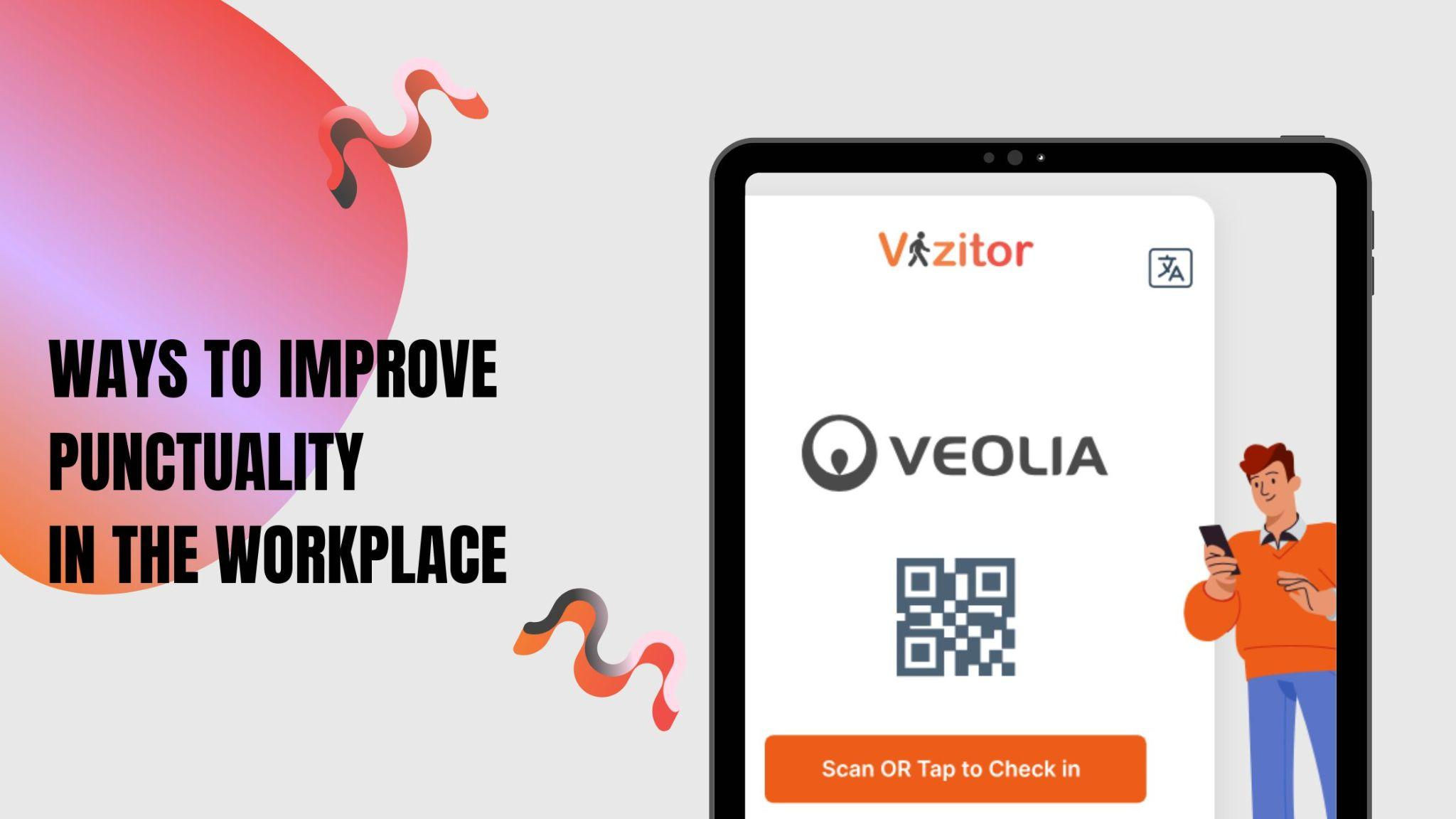
Use technology solutions like time-tracking software, calendar apps, and automated reminders to help employees stay organized and aware of their schedules. Implementing digital clock-in systems and alerts for upcoming meetings can also improve punctuality.
Managers and team leaders should lead by example by consistently demonstrating punctuality and adherence to schedules. When leaders prioritize punctuality, it sets a positive tone and encourages others to do the same.
By leveraging the below tools and techniques, organizations can create a culture of punctuality, improve productivity, and enhance overall workplace efficiency.
Use time-tracking software to monitor employees’ attendance, work hours, and productivity. This can help identify patterns of tardiness and track improvements in punctuality over time.
Encourage employees to use calendar and task management apps to schedule meetings, set reminders for deadlines, and prioritize tasks. These tools help individuals stay organized and manage their time effectively.
Implement digital clock-in systems that require employees to clock in and out electronically. This helps track actual work hours and ensures accurate attendance records.
Set up automated reminders for important meetings, deadlines, and tasks. This can be done through email reminders, calendar alerts, or task management apps to ensure employees are aware of upcoming commitments.
Offer flexible work arrangements such as flexible start and end times, compressed workweeks, or remote work options. This can reduce stress related to commuting and help employees manage their schedules more effectively.
Create incentive programs that reward punctuality and attendance. This could include bonuses, recognition, or extra time off for employees who consistently arrive on time and meet attendance targets.
Provide time management training sessions or workshops to equip employees with skills and techniques for better managing their time, prioritizing tasks, and meeting deadlines.
Businesses lose an estimated 20% of potential revenue due to lateness and poor time management (Forbes).
Implementing punctuality strategies can improve efficiency and boost morale, with companies that focus on time management seeing an average 20% increase in productivity (Harvard Business Review).
At Vizitor, punctuality goes hand-in-hand with our Attendance Management System.
Our platform helps you:
Punctuality improves when organizations use modern systems to manage time effectively.
Don’t let lateness hurt productivity.
Track time and attendance seamlessly with Vizitor’s Attendance Management System.
📅 Book a Demo and transform your team’s punctuality today!
In summary, being on time is important at work because it helps everything run smoothly and makes us more efficient. When companies make it clear that punctuality matters, use tools to track time, and offer flexible work options, it creates a culture where being on time is valued.
Benjamin Franklin’s quote, “Lost time is never found again,” reminds us how valuable time is and why we should use it wisely. Being punctual doesn’t just help us as individuals—it makes the whole workplace better and more successful.
1. How Can You Improve Punctuality in the Workplace?
You can improve punctuality at work by setting clear expectations about being on time, using tools like reminders and time-tracking apps, offering flexible work options, and providing incentives for being punctual.
2. Why Is Punctuality Important in the Workplace?
Punctuality is important in the workplace because it ensures smooth operations, fosters professionalism and demonstrates respect for others’ time.
3. How Do You Develop Good Attendance and Punctuality?
Developing good attendance and punctuality involves being organized, managing your time effectively, prioritizing tasks, avoiding procrastination, and being aware of the impact of being late on your work and team.
4. What Is an Example of Punctuality in the Workplace?
An example of punctuality in the workplace is arriving at work or meetings on time, completing tasks within deadlines, and consistently showing up for work as scheduled without being late.
5. Why Is Punctuality Important in Work?
Punctuality is important at work because it shows reliability, professionalism, and respect for others’ time. It contributes to smooth operations, effective teamwork, meeting deadlines, and overall workplace productivity.
6. How can setting realistic deadlines improve workplace punctuality.
Setting realistic deadlines allows employees to plan ahead, avoid last-minute stress, and complete tasks efficiently. It also prevents workplace delays caused by misjudged task durations.
7. Why is task prioritization essential for being punctual?
Prioritizing tasks helps employees focus on the most critical work first. By using strategies like the Eisenhower Matrix or time-blocking, employees can manage their workload efficiently and meet deadlines without delays.