Delivery Notification System: How to Ensure Every Package


Table of Content
Try Vizitor for Free!
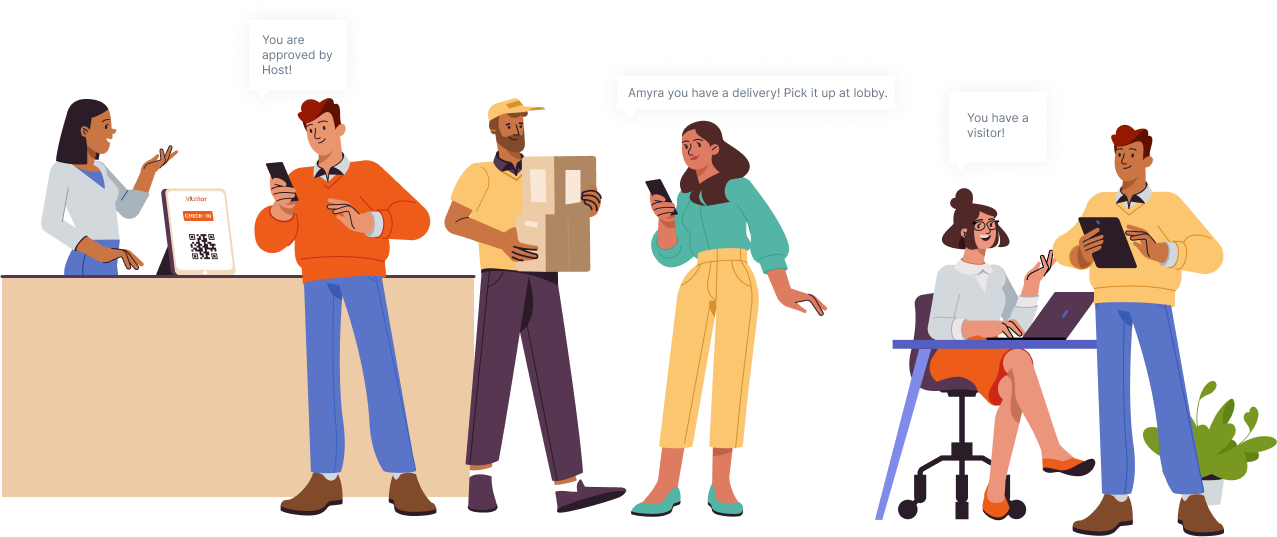
A package that arrives at your office but sits uncollected for days has not really been delivered. The carrier may consider their job done, but from the recipient’s perspective, the package might as well be lost. The missing link between carrier delivery and employee pickup is notification - the system that tells people their items have arrived and tells them where to find them.
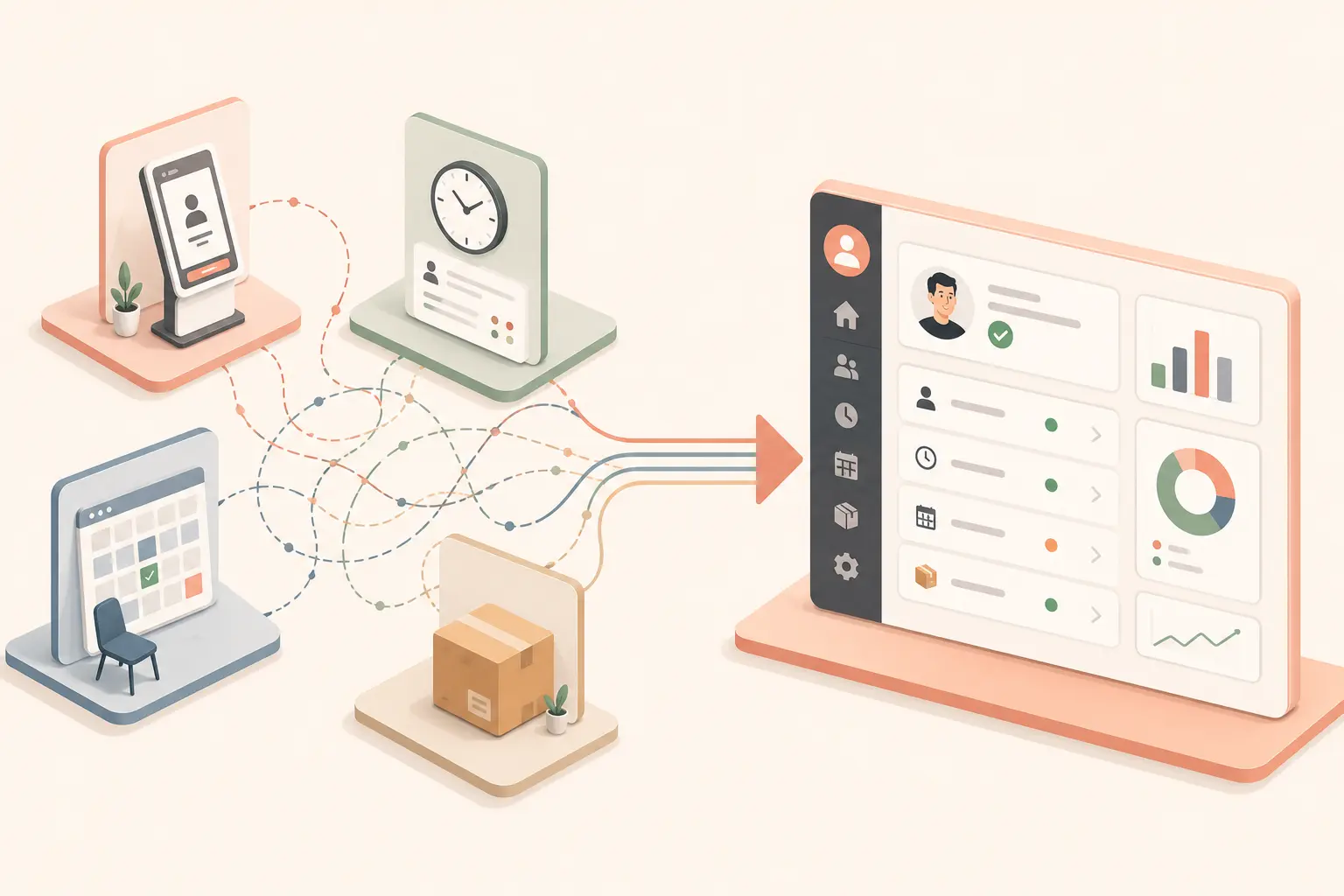
A delivery notification system automates this communication, sending alerts to recipients the moment their packages are logged. It replaces the sticky notes, phone calls, and verbal reminders that front desk staff cobble together in the absence of a proper system.
This guide covers how delivery notification systems work, which notification channels are most effective, how to configure them for your organization, and how they integrate with broader delivery management systems. Vizitor’s mailroom management software includes a powerful multi-channel notification engine designed for modern workplace communication patterns.
What Is a Delivery Notification System?
Definition: A delivery notification system is a software-driven communication layer that automatically alerts package recipients when their items arrive, reminds them if items remain uncollected, and confirms when items are picked up. It operates across multiple channels (email, SMS, messaging apps, push notifications) to ensure messages reach recipients regardless of their communication preferences.
The notification system is typically a component of a broader delivery or mailroom management platform, though some organizations implement standalone notification tools for simpler environments.
Why Notifications Are the Most Important Feature
According to a 2024 workplace survey by Envoy, the number one complaint employees have about their workplace package experience is not knowing when their package arrives (Source: Envoy, 2024 Workplace Experience Report). Slow or absent notifications lead to packages sitting uncollected, employees making unnecessary trips to the front desk, and front desk staff fielding repetitive “Has my package arrived?” inquiries.
Notifications are the feature that employees interact with directly. Even if your back-end tracking is flawless, a failed or delayed notification means the recipient does not know their package is waiting.
Notification Channels Compared
| Channel | Delivery Speed | Open/Read Rate | Employee Preference | Best For |
|---|---|---|---|---|
| Instant | 40-60% (varies by organization) | Moderate | Formal notifications, detailed information | |
| SMS/Text | Instant | 95%+ | High | Urgent or time-sensitive items |
| Slack | Instant | 70-85% | High (in Slack-heavy orgs) | Tech companies, startups |
| Microsoft Teams | Instant | 70-85% | High (in Teams-heavy orgs) | Enterprise environments |
| Mobile push notification | Instant | 60-80% | High | Organizations with a dedicated app |
| Phone call | Immediate but disruptive | 100% (if answered) | Low | Not recommended for routine deliveries |
| Physical note on desk | Delayed | 100% (eventually) | Low | Not recommended |
The most effective approach uses multiple channels simultaneously. For example, sending a Slack message and an email ensures the notification reaches the recipient regardless of which tool they are actively using.
How the Notification Workflow Operates
Trigger: Package Logged
The moment a staff member scans a package into the delivery management system, the notification engine is triggered. No manual action is required.
Recipient Identification
The system matches the package to the correct employee using the integrated employee directory. If the recipient has notification preferences set (preferred channel, quiet hours), those are respected.
Notification Composition
The system generates a notification containing the essential information: what arrived (carrier, sender, package type), where it is stored (shelf, bin, locker), and how to pick it up (location, hours, verification method).
Delivery
The notification is sent via the configured channels. The system records the delivery status (sent, delivered, read) where channel APIs support it.
Reminder
If the package is not picked up within a configurable window (for example, 24 hours), the system sends a reminder notification. Reminders can escalate in urgency or channel.
Confirmation
When the recipient picks up the package, a confirmation notification is sent, closing the loop. This is especially useful for recipients who may wonder whether a proxy picked up their item.
Configuring Notifications Effectively
Let Employees Set Preferences
Different employees prefer different channels. Give them the option to choose their primary and secondary notification channels. This increases engagement and reduces complaints.
Optimize Timing
Sending a notification at 7 AM for a package that can only be picked up during business hours is not helpful. Configure notification timing to align with your pickup hours and employee schedules.
Differentiate by Urgency
Perishable deliveries (food orders) should trigger immediate notifications on the fastest available channel. Standard packages can use email with a Slack backup. Confidential items may require a specific notification that includes handling instructions.
Avoid Notification Fatigue
If an employee receives multiple packages daily, batched notifications (a single summary every 2-4 hours) may be preferable to individual alerts. Let high-volume recipients configure their batching preferences.
Include Actionable Information
Every notification should tell the recipient exactly what they need to do: where to go, what to bring (badge, ID), and any special instructions. Vague notifications create confusion and follow-up questions.
Integration with Workplace Communication
Slack Integration
Vizitor’s delivery management system sends notifications directly to employees’ Slack channels or direct messages. Employees can respond with a quick reaction to acknowledge receipt or request a hold.
Microsoft Teams Integration
For organizations using Microsoft 365, Teams notifications appear in the recipient’s chat or activity feed. This integrates smooth with the tools employees already use daily.
Employee Directory Sync
Automatic synchronization with your HR system or Active Directory ensures that notification routing is always accurate. When employees join, leave, or change departments, the system updates automatically.
Visitor Management Coordination
When a delivery arrives alongside a visitor, your visitor management system and delivery notification system can coordinate. The front desk handles both workflows from a single interface, and all parties receive appropriate notifications.
Notification Best Practices
Test your notification channels before launch. Send test notifications to a sample group through every channel to verify delivery and formatting.
Monitor delivery rates. Track how many notifications are successfully delivered versus bounced or failed. Address issues with specific channels promptly.
Keep messages concise. The notification should convey the essential information in the first few lines. Details can be included in an expanded view or linked page.
Include a direct action link. Where possible, include a link that allows the recipient to view package details, request a hold, or schedule a pickup time.
Respect quiet hours. Do not send notifications outside of business hours unless the item is genuinely urgent. Configure quiet hours per time zone for multi-site organizations.
Gather feedback. Periodically ask employees about their notification experience. Are they receiving alerts promptly? Is the information helpful? Are they getting too many or too few notifications?
Notification System for Different Scenarios
Standard Package Pickup
Recipient receives a notification with package details and pickup location. A reminder is sent after 24 hours if uncollected.
Perishable Delivery
Immediate notification via the fastest channel (SMS or push). Second notification after 2 hours. Escalation to a colleague or assistant after 4 hours.
Confidential or Sensitive Item
Notification sent only to the specific recipient (no proxy allowed). Message includes handling instructions and indicates that personal pickup with ID verification is required.
High-Value Equipment
Notification to the recipient plus their manager or IT department. Enhanced verification required at pickup. See our proof of handoff guide for verification methods.
Recipient Out of Office
If the system detects an out-of-office status, it sends the notification to a designated backup (assistant, manager, or team lead) and holds the package until the recipient returns.
Measuring Notification Effectiveness
Notification-to-pickup time: The interval between notification delivery and package collection. This is the primary effectiveness metric.
Notification delivery rate: The percentage of notifications successfully delivered. Target: over 98%.
Reminder trigger rate: The percentage of packages that require a reminder notification. A high rate suggests the initial notification is not reaching people effectively.
Channel effectiveness: Compare pickup times by notification channel to determine which channels drive the fastest response.
Employee satisfaction scores: Include notification experience in workplace surveys to get qualitative feedback.
Frequently Asked Questions
What if an employee does not respond to any notifications?
Configure escalation rules that notify the employee’s manager or a facilities team member after a set number of missed notifications. Establish a policy for handling chronically uncollected packages.
Can notifications be sent in multiple languages?
Yes. Multi-language support is important for global organizations. Vizitor’s delivery management system supports notification templates in multiple languages, with the language selected based on the recipient’s profile preference.
How do notifications work for shared or departmental packages?
For packages addressed to a department rather than an individual, the system can notify a designated department contact or a distribution list. Pickup verification records which specific person collected the item.
Are notification records retained?
Yes. Notification records (sent time, channel, delivery status, read status) are part of the package’s chain of custody and are retained according to your organization’s data retention policies.
Can employees opt out of notifications?
Notifications are a core part of the delivery workflow, so opting out entirely is not recommended. However, employees can choose their preferred channels, set quiet hours, and configure batching preferences to manage notification volume.
Conclusion
The notification system is the bridge between your mailroom operations and your employees’ experience. Without reliable, timely notifications, even the best tracking system fails at the moment that matters most - getting packages into the right hands quickly.
Vizitor’s delivery management system includes a multi-channel notification engine that reaches employees through email, SMS, Slack, Microsoft Teams, and push notifications. Combined with our mailroom management software, it ensures that every package is tracked, every recipient is notified, and every pickup is verified.
Ready to stop chasing people about their packages? Request a demo to see how Vizitor’s notification system works, or check our pricing page to get started.
Try Vizitor Free
No credit card required. Setup in under 5 minutes. Manage visitors, queues, meeting rooms, and more.
Start Free TrialSee Vizitor in action check-in a visitor in under 30 seconds
Trusted by 500+ businesses. QR check-in, badge printing, NDA signing. Plans from $36/mo.