How to Design an Office Experience That Impresses Visitors
This article explains how to design an office experience that impresses visitors, covering reception design, faster check-ins, comfortable workspaces, and the small details guests notice first. It also shows how a visitor management system like Vizitor speeds up check-in and host notifications, using Hard Rock Cafe's 175-location rollout as a real example.


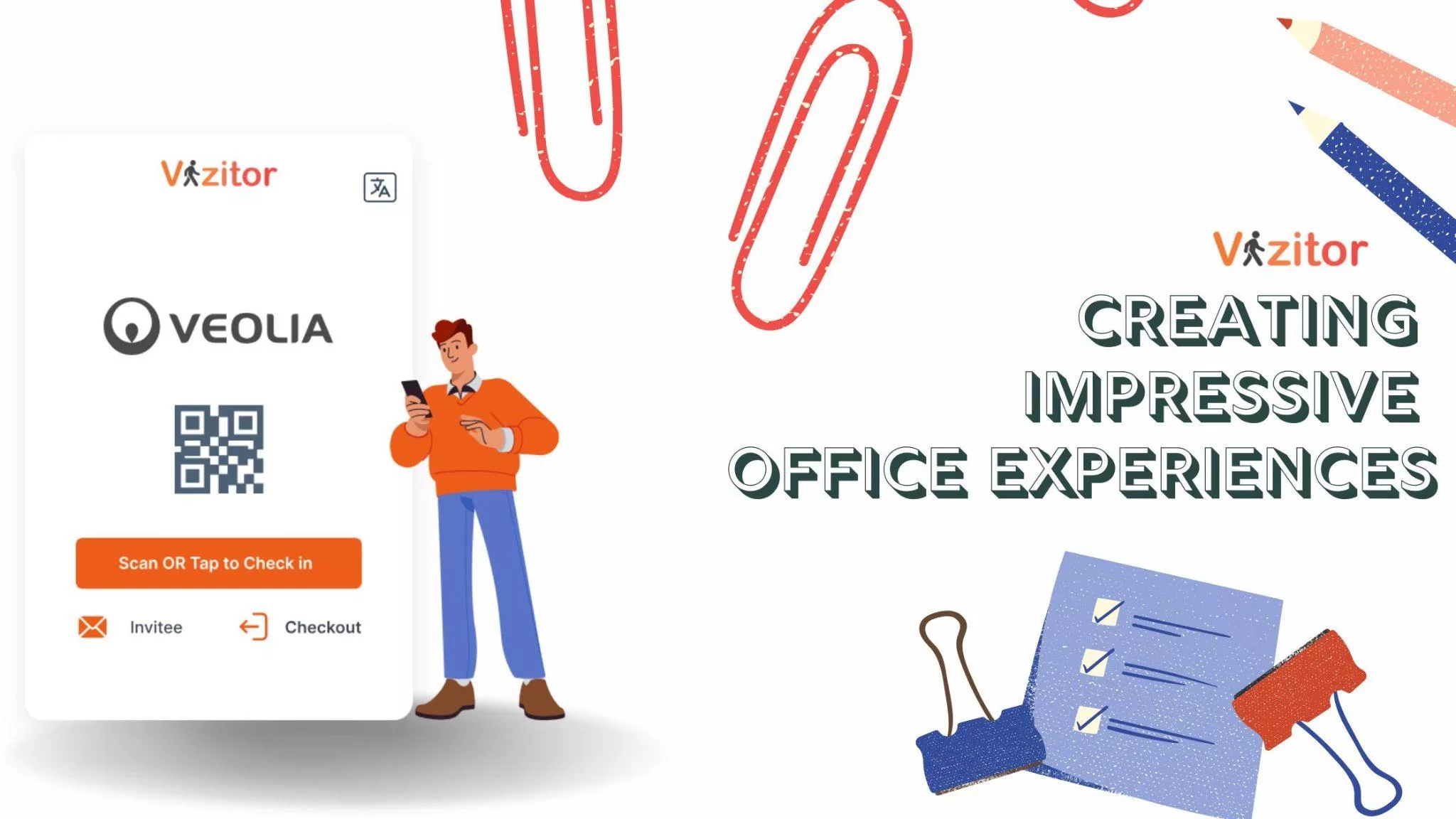
Table of Content
Try Vizitor for Free!
An office experience is impressive when a visitor notices, within the first minute, that someone planned for them. Not decorated for them. Planned for them. That difference, between a nice-looking lobby and a lobby that actually works, is what separates offices people remember from offices people just pass through.
Clients, partners, and job candidates all form an opinion about your company before anyone says a word. A clean, well-run space signals that you sweat the details elsewhere too. A cluttered front desk with a five-minute sign-in wait signals the opposite, no matter how good the artwork looks.
This guide walks through what actually makes an office experience impressive, the mistakes that quietly undo good design, and where a system like Vizitor closes the gap between how your office looks and how it runs.
What Makes an Office Experience Actually Impressive
An office experience is everything a visitor, client, or employee notices and feels while they’re in your space, from the first hello at reception to how many times someone has to repeat their name. It matters because people judge competence and warmth separately. A gorgeous lobby with a clunky check-in still reads as disorganized.
Three things build an impressive office experience: design, speed, and consistency. Design covers what people see. Speed covers how long anything takes, from checking in to finding a free meeting room. Consistency means the experience holds up on an ordinary Tuesday afternoon, not just the day a client tour is scheduled.
Most advice online stops at design. That’s only a third of the job.
Eight Ways to Build an Office Experience Visitors Actually Remember
1. Start With a Reception Area That Does Some of the Talking
The reception area is the first thing visitors see, so it carries more weight than any other room in the building. Comfortable seating, clean decor, and a friendly greeting go a long way on their own.
Keep your branding consistent here too. The same logo, colors, and tone that show up on your website should show up at the front desk, on the check-in screen, and in how your receptionist talks about the company. Visitors notice when a brand feels the same everywhere. They also notice when it doesn’t.
A few personal touches, fresh flowers, real artwork instead of stock prints, magazines that match your industry, tell visitors someone thought about this room on purpose. That’s worth more than an expensive fit-out that feels generic.
2. Cut the Wait Before It Starts
Most bad first impressions happen at the sign-in desk, not the decor. A visitor fills out the same form for the third time this month, waits while someone tracks down their host, and stands there holding a pen that doesn’t work.
A visitor management system fixes the part decor can’t. Guests check in on a tablet or their phone in under a minute. Offering online pre-registration before the visit moves even that step earlier, so the front desk becomes a formality instead of a bottleneck.
The goal isn’t paperless for its own sake. It’s removing the one moment where a great-looking lobby suddenly feels disorganized.
3. Make the Technology Invisible, Not the Point
Meeting rooms need working AV, reliable video conferencing, and internet that doesn’t drop mid-call. None of that should be a visitor’s problem to troubleshoot.
Digital displays at reception can show the day’s schedule or a welcome message with the visitor’s name on it, a small touch that makes people feel expected rather than processed. Meeting room booking tools cut down on the double-booked-room scramble that makes an office look chaotic to anyone watching from the hallway.
Good office technology is the kind nobody comments on, because it just works.
4. Keep It Clean, Quiet, and Easy to Breathe In
Cleanliness is table stakes, but it’s still the fastest way to lose someone’s confidence. A dusty reception desk or an overflowing trash can undoes a lot of nice furniture in about four seconds.
Sound matters almost as much as sight. A reception area with hard floors and bare walls turns every phone call into an echo. Soft furnishings, a rug, even acoustic panels behind the front desk absorb enough noise to make the room feel calmer than it actually is.
Air quality and a light, consistent scent round this out. Neither should be noticeable on its own. Together, they’re the difference between a room that feels fresh and one that just feels new.
5. Build Workspaces People Actually Want to Sit In
Employees spend more hours in their chair than almost anywhere else, so ergonomic furniture isn’t a perk. It’s maintenance. Adjustable desks and chairs prevent the kind of discomfort that quietly drags down focus by mid-afternoon.
Natural light matters more than most office plans give it credit for. Desks near windows tend to report fewer complaints about fatigue. Where natural light isn’t possible, layered lighting, task lamps plus ambient light, gets close.
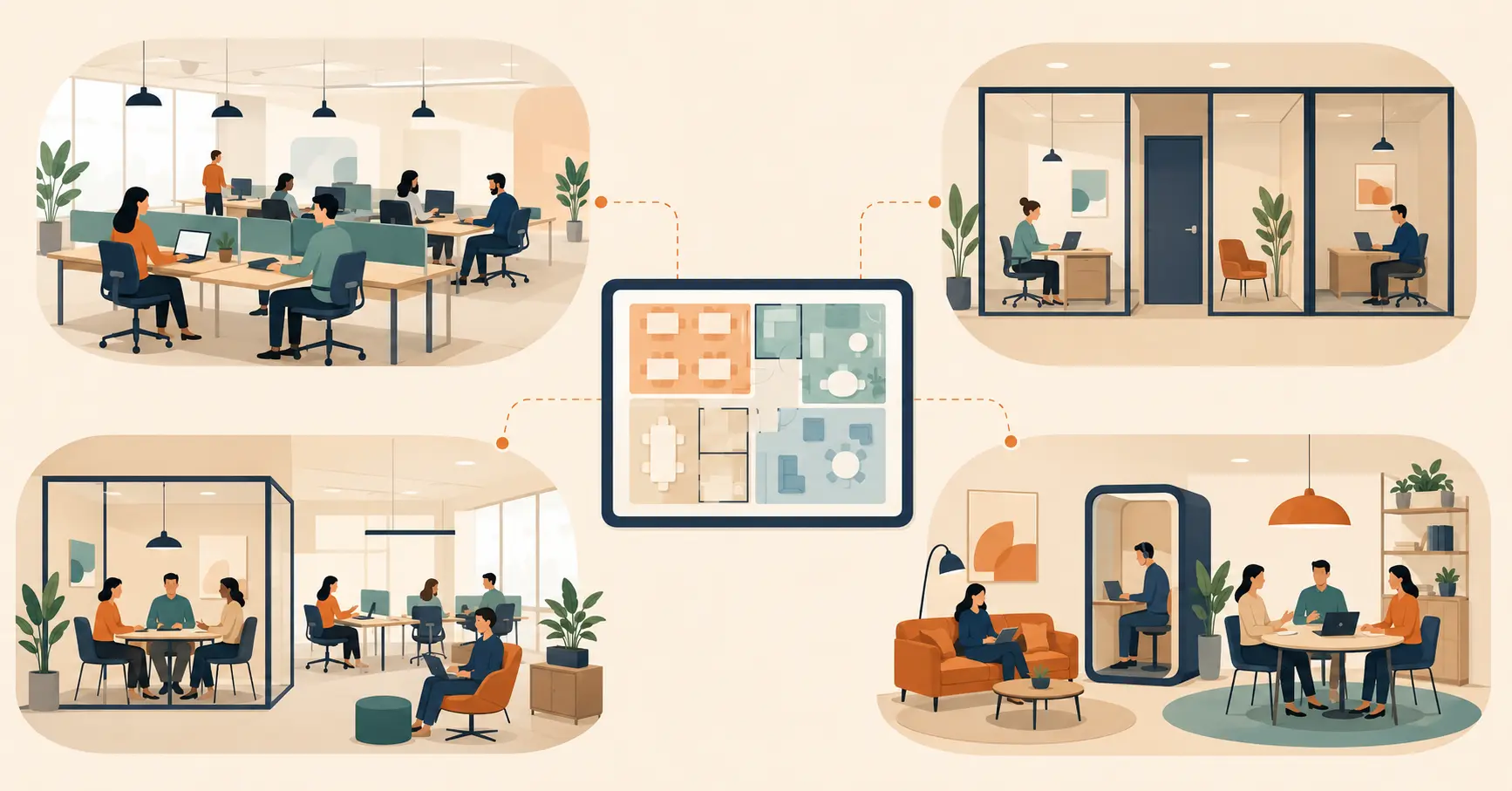
Offer a mix of settings: quiet rooms for focus work, open areas for collaboration, and a lounge or two for the conversations that don’t need a conference room. Different work needs different rooms, and forcing everyone into one layout serves nobody well.
6. Let the Space Reflect Who You Are
A cohesive color scheme, decent furniture, and a few well-placed plants do more for a brand than most marketing budgets. Wood tones and greenery read as calm. Bold color and sharp lines read as energetic. Match the choice to what you actually want visitors to feel.
Let employees personalize their own desks within that framework: a photo, a plant, a small object that makes the space theirs. It costs nothing, and it’s one of the cheapest ways to raise how someone feels about coming into the office.
Resist the urge to over-decorate. A coffee table with three good books says more than one buried under twelve.
7. Offer Something While People Wait
Waiting is unavoidable sometimes. What a visitor does while waiting is not.
Free Wi-Fi and a charging station remove the two most common complaints about any waiting area. A well-stocked pantry with real snacks, not just a jar of mints, tells guests and employees the same thing: someone thought about what you’d need before you asked.
For longer waits, reading material, a tablet, or simply a comfortable enough chair to check email in peace all help. The point isn’t luxury. It’s making sure ten minutes of waiting doesn’t feel like ten minutes of being ignored.
8. Ask What’s Not Working, Then Fix It
None of the steps above are guesses you make once and forget. Ask employees and visitors what’s actually working through short surveys, a visitor feedback prompt at checkout, or informal conversations at the front desk.
Then act on what you hear, quickly. If lighting keeps coming up, fix the lighting. If wait time is the recurring complaint, that’s your check-in process talking. An office experience that improves every quarter, even in small ways, beats one that was fine on opening day and untouched since.
Common Mistakes That Undercut an Otherwise Good Office
Even offices that get the design right trip over the same handful of mistakes.
The first is treating the lobby as decor instead of a process. A beautiful reception area with a five-minute sign-in wait still reads as disorganized, because visitors judge efficiency and warmth separately. Great couches don’t fix a slow front desk.
The second is clutter dressed up as personality. A few plants and a couple of good books read as intentional. Twelve plants and a shelf of books nobody reads just reads as cluttered, no matter how nice each individual piece is.
The third is ignoring acoustics until someone complains. Open floor plans without any sound absorption turn every conversation into background noise for the next desk over, and by the time it’s raised as a problem, it’s already cost months of focus.
The fourth is asking visitors to fill out the same form they filled out last visit, on paper, at a desk, while people wait behind them. That’s a solved problem. It stays unsolved anyway in a lot of offices simply because nobody owns fixing it.
The fifth is designing entirely for visitors and forgetting the people who work there every single day. An office that impresses guests once a week but drains the people using it eight hours a day has its priorities backward.
Why an Impressive Office Experience Pays Off

An impressive office is not decoration for its own sake. It changes real business outcomes.
Clients and partners decide how much to trust you partly based on what they see when they walk in. A well-run space signals that you handle details elsewhere with the same care, which matters more in the first ten minutes of a meeting than most people admit.
Job candidates read the office the same way. Someone deciding between two similar offers will remember which company felt organized and which one felt like it was making do. That memory shapes offers people accept, not just offers people receive.
Employees notice too, every day, not just on interview day. A workplace that’s comfortable, well-lit, and reasonably quiet keeps people focused longer and complaining less. That shows up in smaller ways than a productivity report: fewer people quietly checking out because the office has started to feel like an afterthought.
The office experience is also one of the few places where culture becomes visible to an outsider. Anyone can write “we value our people” on a careers page. A workplace that’s actually built around the people using it says the same thing without saying it, in a way that’s harder to fake and easier to believe. It’s part of what makes coworking operators lean so heavily on shared energy and community design: the space itself does marketing work a brochure never could.
None of this requires a large budget. It requires deciding that the office experience is worth managing on purpose, the same way you’d manage a product or a sales process.
Where Vizitor Fits Into the Experience
Good design gets a visitor through the door feeling good. What happens at the desk decides whether that feeling survives the next five minutes.
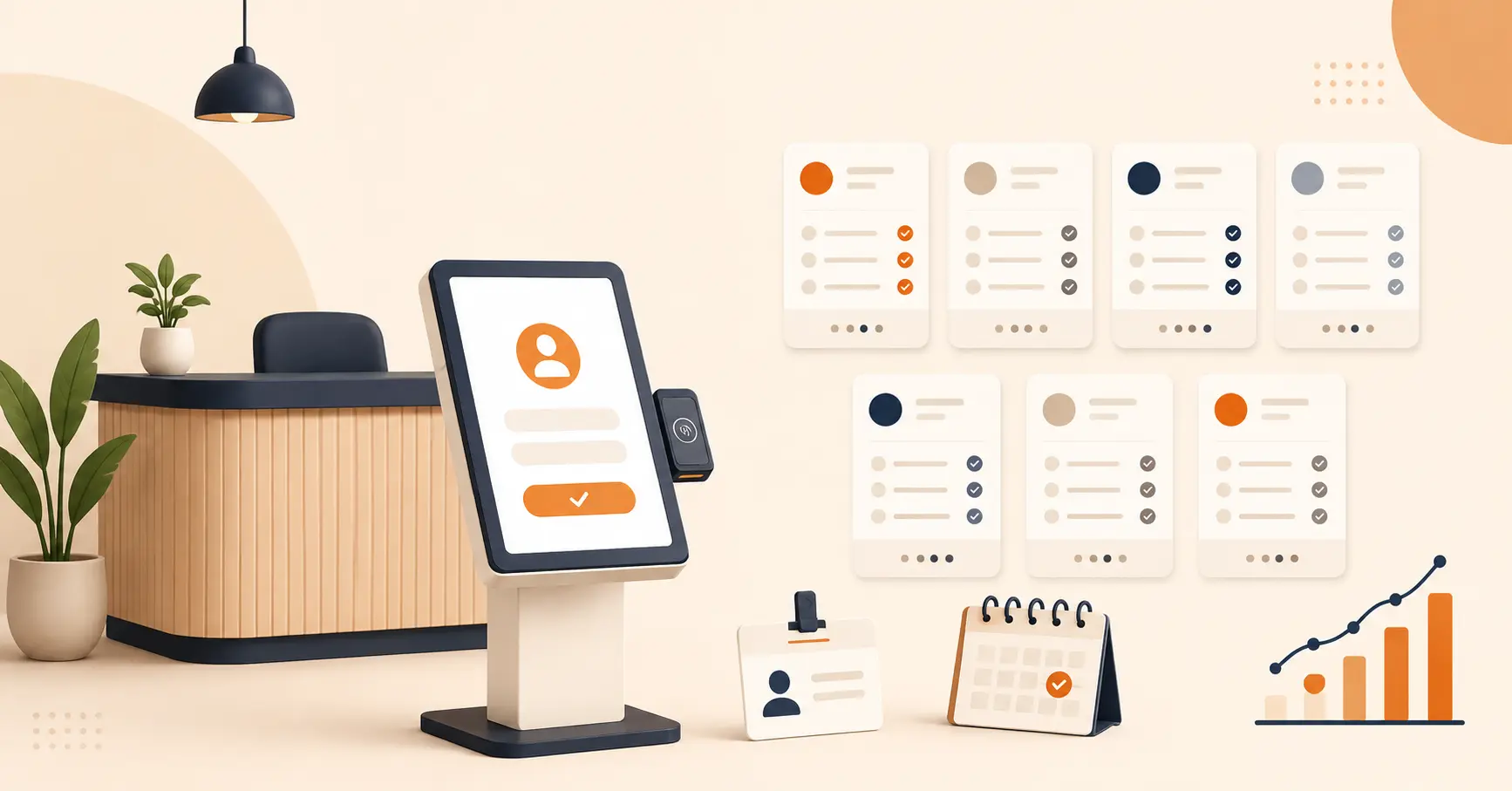
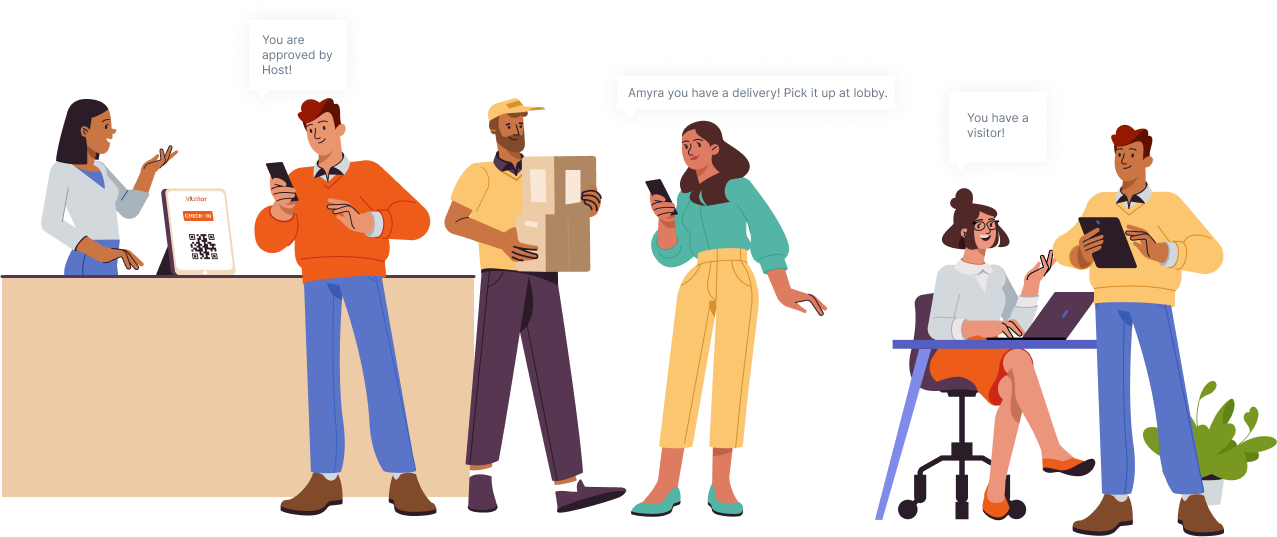
Vizitor is a visitor management system built to make that moment fast and secure. Visitors check in on a tablet or their phone instead of a paper sign-in sheet. The moment they do, their host gets a notification by SMS or email, so nobody is left standing at reception while someone tracks down the right person.
Hosts can approve or decline a visit before it happens, see the purpose of the visit, and send a short message back to the visitor along with the decision. Every check-in and check-out is logged automatically, which gives security and facilities teams a real record instead of a paper logbook nobody can search.
This isn’t theoretical. Hard Rock Cafe rolled Vizitor out across 175 locations in 74 countries, replacing paper logbooks with contactless, QR-based check-in everywhere at once. That’s the kind of consistency that’s hard to fake with a nice-looking front desk alone: the same fast, professional arrival experience whether you’re the first guest of the day or the five-hundredth.
If your office already looks the part and the front desk is still the piece slowing things down, book a demo to see whether Vizitor closes that specific gap.
Frequently Asked Questions
What makes a reception area create a strong first impression for office visitors?
Comfortable seating, clean decor, and a fast check-in process, together. Thoughtful touches like fresh flowers and consistent branding help, but they can’t make up for a slow sign-in. The goal is a visitor who feels expected, not processed.
How does a visitor management system improve the office experience?
It replaces a manual sign-in sheet with a fast, digital one and notifies the host the moment a guest arrives, by SMS or email. That removes the single most common source of a bad first impression: standing at reception while someone gets tracked down.
What’s the biggest mistake offices make with the visitor experience?
Fixing the decor and ignoring the process. A beautiful lobby with a five-minute wait at sign-in still reads as disorganized, because visitors judge how a space looks and how efficiently it runs as two separate things.
What amenities matter most for visitors and employees waiting in an office?
Free Wi-Fi, a charging station, and a well-stocked pantry solve the most common complaints. For longer waits, reading material or a tablet helps pass the time without making anyone feel ignored.
How can companies keep improving the office experience over time?
Ask, then act quickly. Short surveys, a feedback prompt at checkout, or informal conversations at the front desk surface what’s actually not working. An office experience that improves every quarter beats one that was fine on opening day and untouched since.
Frequently Asked Questions
See Vizitor in action check-in a visitor in under 30 seconds
Trusted by 500+ businesses. QR check-in, badge printing, NDA signing. Plans from $36/mo.