What Are The Benefits Of a Visitor Management System?


Table of Content
Try Vizitor for Free!
Introduction
Did you know that businesses and institutions implementing digital Visitor Management Systems (Visitor Management System) can reduce visitor check-in times by up to 80%? This statistic, supported by numerous case studies, highlights the efficiency gains that a Visitor Management System can offer over traditional paper-based systems.
A Visitor Management System (Visitor Management System) is a digital solution designed to streamline and manage welcoming and handling visitors in various environments such as corporate offices, educational institutions, healthcare facilities, and more. Unlike traditional logbooks or sign-in sheets, a Visitor Management System automates the entire visitor registration process, from pre-registration to check-out, enhancing security, efficiency, and the overall visitor experience.
A Visitor Management System ensures a smooth and professional experience for visitors. Fast and efficient check-in processes reduce wait times and make visitors feel welcomed and valued. Personalized interactions, facilitated by pre-registration and automated notifications, further enhance the visitor’s experience.
A visitor Management System is not just a tool for managing visitor check-ins but a comprehensive solution that enhances security improves visitor experiences, boosts operational efficiency, ensures compliance, and aids in emergency management. As businesses and institutions strive to create safer and more efficient environments, the adoption of a Visitor Management System becomes increasingly important.
Today we’re going to discuss what is Visitor Management System is, its benefits, Key Features and how Vizitor is the best in providing a one-stop solution.
Defining Visitor Management System
A Visitor Management System (Visitor Management System) is a computerized way to keep track of people who visit a place, like an office, school, or hospital. Instead of using pen and paper to write down visitor details, a Visitor Management System uses technology to make the process faster and more organized.
Evolution from Traditional Sign-in Sheets to Digital Systems
In the past, places used to have sign-in sheets where visitors wrote their names, the time they arrived, and who they were visiting. These sheets were often kept in a book or binder at the entrance. While simple, these systems had some drawbacks:
Time-consuming: Writing down information by hand and searching through pages took time.
Limited Security: Anyone could write any name, making it hard to verify who visited.
Difficulty in Tracking: Finding specific visitor records or trends was hard without manual effort.
With advances in technology: especially with computers and the internet, Visitor Management Systems have become digital.
Here’s how they have evolved:
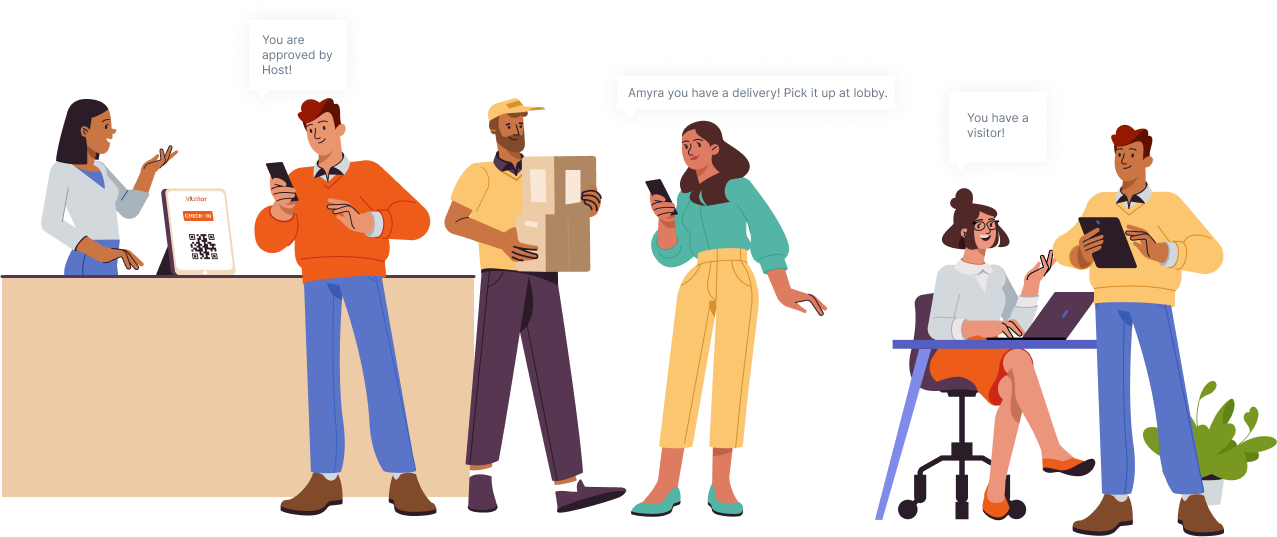
Automation: The Digital Visitor Management System automates the process. Visitors can pre-register online or at a kiosk when they arrive, speeding up check-in.
Enhanced Security: Digital systems often include features like ID scanning, photo capture, and integration with access control systems to ensure that only authorized people enter.
Efficiency: They generate badges instantly, notify hosts of visitor arrivals via email or text, and keep digital records of all visits, making it easier to find information quickly.
Compliance: The Digital Visitor Management System helps businesses meet regulations by securely storing visitor data and generating reports for audits.
Improved Visitor Experience: With quicker check-ins and better organization, visitors feel more welcome and valued.
Top 15 Benefits Of a Visitor Management System
The below additional benefits highlight the versatility and value of implementing a Visitor Management System beyond the core functionalities of security, efficiency, and compliance. Each of these advantages contributes to enhancing organizational performance, visitor satisfaction, and overall operational effectiveness.
1. Enhanced Customer Service
A Visitor Management System can improve customer service by enabling staff to greet visitors by name and have pertinent information readily available. This personalized approach can lead to better interactions and a more positive visitor experience.
2. Marketing and Branding Opportunities
Customizable visitor badges and registration screens can include branding elements such as logos, slogans, or promotional messages. This presents an opportunity to reinforce brand identity and promote marketing initiatives to visiting guests.
3. Visitor Insights and Feedback Collection
Using Visitor Management System analytics, organizations can gather insights into visitor demographics, behaviors, and preferences. This data can inform marketing strategies, facility design improvements, and overall customer experience enhancements.
4. VIP and Repeat Visitor Management
For organizations that frequently host VIPs or repeat visitors, a Visitor Management System can store preferences and historical visit data. This allows staff to provide tailored services and prioritize high-value relationships effectively.
5. Visitor Authentication and Screening
Advanced Visitor Management System solutions can integrate with external databases for enhanced visitor screening. This capability is beneficial for verifying identities against watchlists, managing visitor restrictions, and maintaining high-security standards.
6. Resource Allocation Optimization
By analyzing visitor traffic patterns and peak times, organizations can optimize resource allocation. This includes staffing levels, facility usage, and the deployment of amenities or services based on predicted visitor demand.
7. Enhancing Collaboration and Communication
A Visitor Management System that integrates with collaboration tools or internal communication platforms can streamline coordination between different departments or teams. This facilitates smoother visitor management and improves operational efficiency.
8. Community and Stakeholder Engagement
In settings like educational institutions or public facilities, a Visitor Management System can enhance engagement with parents, alumni, donors, and community members. Streamlined visitation processes and improved transparency can foster stronger relationships.
9. Event Management Support
For venues that host events or conferences, a Visitor Management System can handle large volumes of visitors efficiently. It simplifies event registration, manages attendee lists, and ensures smooth access control during busy event periods.
10. Legal and Liability Protection
Maintaining accurate visitor logs and records through a Visitor Management System can provide legal protection in case of disputes, incidents, or litigation. Detailed documentation of visitor activities supports compliance with legal obligations and reduces liability risks.
11. Cultural and Visitor Experience Enhancement
In cultural institutions like museums or galleries, a Visitor Management System can enhance the visitor experience by providing multimedia guides, interactive maps, or personalized recommendations based on visitor interests and preferences.
12. Educational Opportunities
In educational settings, a Visitor Management System can be integrated with learning management systems to provide educational content or resources related to the institution’s mission, history, or current exhibitions.
13. Crisis Management and Preparedness
During crises such as natural disasters or health emergencies, a Visitor Management System helps identify and locate visitors quickly. This aids in implementing evacuation procedures, managing shelter arrangements, and ensuring the safety of all individuals on-site.
14. Remote Access and Control
Cloud-based Visitor Management System solutions enable remote access to visitor data and system controls. This flexibility allows authorized personnel to manage visitor operations from any location, enhancing operational continuity and responsiveness.
15. Visitor Behavior Analysis
Analyzing visitor behavior data collected by a Visitor Management System can provide insights into visitor preferences, trends, and interactions within a facility. This information can guide operational improvements and strategic decision-making.
Key Features of a Modern Visitor Management System
The below features make a modern Visitor Management System essential for enhancing security, efficiency, and visitor experience in various settings such as offices, schools, hospitals, and other public facilities. These touchless technologies in workplaces have been shown to reduce the spread of viruses by up to 80%.
1. Automated Check-in and Check-out
Explanation: A modern Visitor Management System automates the process of visitors signing in when they arrive and signing out when they leave. This eliminates the need for manual entry and reduces waiting times.
2. Instant Badge Printing
Explanation: When visitors check-in, a Visitor Management System can quickly print badges with their name, photo, and other relevant information. This helps identify visitors easily and enhances security.
3. Photo Capture
Explanation: A Visitor Management System can take photos of visitors during check-in. This ensures that the person using the badge matches the person who registered, adding an extra layer of security.
4. Real-time Notifications
Explanation: The system notifies hosts immediately when their guests arrive. This can be through email, text messages, or notifications on a mobile app, ensuring hosts are prepared to greet visitors promptly.
5. Visitor Logs and Reporting
Explanation: A Visitor Management System keeps detailed records of all visitor entries and exits. These logs can be accessed at any time and are useful for security audits, compliance checks, and analyzing visitor trends.
6. Integration with Access Control
Explanation: Modern Visitor Management System can integrate with access control systems, allowing smooth entry for authorized visitors while restricting access to sensitive areas. This enhances overall security measures.
7. Pre-registration and Self-service Kiosks
Explanation: Visitors can pre-register online before their visit, saving time at check-in. Self-service kiosks at the entrance further streamline the process by allowing visitors to check themselves in.
8. Compliance and Data Security
Explanation: Visitor Management System ensures compliance with data protection regulations by securely storing visitor information. Access to sensitive data is restricted to authorized personnel only, maintaining privacy and confidentiality.
9. Customizable Visitor Experiences
Explanation: Organizations can customize the check-in process and visitor badges to align with their branding and operational needs. This creates a professional and welcoming environment for visitors.
10. Emergency Management Features
Explanation: During emergencies, Visitor Management System provides quick access to visitor data, aiding in evacuation procedures and ensuring the safety of everyone on-site. Clear communication tools assist in managing crises effectively.
Industry-Specific Benefits Of a Visitor Management System
These industry-specific benefits highlight how a Visitor Management System can be tailored to meet the unique needs of various sectors, enhancing security, efficiency, and visitor experiences across different environments.
1. Corporate Offices
Benefit: Enhances security by managing visitor access and tracking their movements within the building. Explanation: A Visitor Management System ensures that only authorized visitors enter the premises, maintains visitor records for security audits, and enhances overall professionalism.
2. Educational Institutions
Benefit: Improves campus safety and streamlines visitor management during events and parent visits. Explanation: Schools and universities use Visitor Management System to monitor who enters their campuses, manage student pickups, and enhance safety protocols.
3. Healthcare Facilities
Benefit: Protects patient privacy and ensures only authorized visitors access sensitive areas. Explanation: Hospitals and clinics use Visitor Management System to verify visitor identities, track visitor interactions with patients, and comply with healthcare regulations.
4. Government Buildings
Benefit: Enhances security for government officials and restricted areas. Explanation: Visitor Management System in government buildings verifies visitor identities, manages access to secure areas, and provides audit trails for regulatory compliance.
5. Manufacturing and Industrial Sites
Benefit: Improves safety and manages contractor and supplier visits efficiently. Explanation: Visitor Management System ensures visitors follow safety protocols, tracks contractor activities, and integrates with onsite security systems for comprehensive site management.
6. Hotels and Hospitality
Benefit: Streamlines guest check-in processes and enhances the guest experience. Explanation: Hotels use Visitor Management System to expedite guest registrations, manage visitor access to amenities, and personalize guest interactions for a memorable stay.
7. Cultural Institutions
Benefit: Manages visitor flows during exhibitions and enhances visitor engagement. Explanation: Museums and galleries use the Visitor Management System to control entry to exhibits, provide interactive experiences, and collect visitor feedback for future enhancements.
8. Retail Stores and Shopping Centers
Benefit: Improves security and manages visitor traffic during peak shopping periods. Explanation: Retail environments use Visitor Management System to prevent theft, monitor store traffic, and provide personalized customer service based on visitor data.
9. Events and Conferences
Benefit: Facilitates efficient registration and access control for event attendees. Explanation: Event organizers use Visitor Management System to manage large volumes of attendees, streamline check-ins, and enhance event security with real-time monitoring.
10. Real Estate and Property Management
Benefit: Controls access to residential and commercial properties for tenants and visitors. Explanation: Property managers use Visitor Management System to verify visitor identities, track property access, and enhance resident safety and satisfaction.
Check Out Vizitor’s Works For Different Industries
Hard Rock Cafe
Vizitor streamlined visitor management for Hard Rock Cafe across 175 global locations. Each guest receives a unique ID for easy tracking of their visit details, including check-in and check-out times. Guests appreciate the straightforward check-in process, enhancing their overall experience.
Snapdeal
Vizitor’s digital solution has improved visitor management for Snapdeal, ensuring efficiency and security. The system enhances the check-in process, making it easier for Snapdeal to manage visitor access across their facilities.
Retina Centre
The Retina Centre, a prominent healthcare facility specializing in retina care, optimized appointment management with Vizitor. The system helps streamline patient appointments, improving the overall patient experience and operational efficiency.
How Easy It Is with Vizitor
Vizitor simplifies visitor management across industries with user-friendly interfaces and efficient processes. Whether it’s enhancing security, optimizing appointments, or improving guest experiences, Vizitor provides tailored solutions that are easy to implement and use.
Check Out The Case Studies!
Wrapping It Up
In conclusion, implementing a Visitor Management System like Vizitor offers numerous benefits across various industries. From enhancing security and streamlining visitor experiences to optimizing operational efficiency and ensuring compliance, Vizitor has proven its effectiveness in transforming how organizations manage their guests.
By automating check-in processes, providing real-time notifications, and integrating with existing systems, Vizitor enhances the overall visitor experience while maintaining high standards of security. Industries ranging from corporate offices and healthcare facilities to hospitality and educational institutions have benefited from Vizitor’s customizable solutions tailored to their specific needs.
Moreover, Vizitor’s success stories with global brands like Hard Rock Cafe and efficient implementations at healthcare facilities like Retina Centre underscore its versatility and reliability. These case studies highlight how Vizitor not only improves operational workflows but also enhances customer satisfaction and safety protocols.
Whether it’s ensuring patient privacy in healthcare settings, optimizing guest interactions in hospitality, or managing high-security areas in government buildings, Vizitor continues to redefine visitor management with innovative digital solutions.
As organizations strive for efficiency, safety, and enhanced visitor experiences, Vizitor stands out as a trusted partner, providing smooth, user-friendly solutions that meet the diverse needs of online visitor management systems at modern workplaces. Embracing Vizitor means embracing smarter, more secure visitor management practices that contribute to organizational success and reputation.
In a world where first impressions and security are paramount, Vizitor sets the standard for effective visitor management across industries, paving the way for safer, more efficient environments for all.
Frequently Asked Questions
How does a Visitor Management System enhance security?
Visitor Management System enhances security by verifying visitor identities, issuing badges, and integrating with access control systems. It ensures that only authorized individuals gain access to specific areas, tracks visitor movements in real time, and provides emergency management capabilities.
What are the benefits of using a Visitor Management System?
Using a Visitor Management System offers several benefits, including:
Improved security and access control
Enhanced visitor experience with faster check-ins
Compliance with regulatory requirements
Operational efficiency through automated processes
Data analytics for visitor insights and operational improvements
How easy is it to implement and use Vizitor?
Vizitor is designed with user-friendly interfaces and straightforward setup processes. It offers customizable solutions that can be tailored to fit the specific needs of different industries. Training and support are provided to ensure smooth implementation and usage.
Can Vizitor integrate with existing systems?
Yes, Vizitor can integrate with existing access control systems, CRM platforms, and other enterprise software. This integration ensures smooth data flow and enhances overall operational efficiency.
How does Vizitor handle visitor privacy?
Vizitor prioritizes visitor privacy by securely storing visitor data and adhering to data protection regulations. Access to visitor information is restricted to authorized personnel only, ensuring confidentiality and compliance.
What industries can benefit from using Vizitor?
Vizitor is beneficial for a wide range of industries, including corporate offices, healthcare facilities, educational institutions, government buildings, hospitality, retail, events, and more. Each industry benefits from tailored solutions that address specific security and operational needs.
Can Vizitor help with managing large events or conferences?
Yes, Vizitor can manage large volumes of visitors during events or conferences by facilitating efficient registration, providing access control, and enhancing security measures. It ensures a smooth experience for both organizers and attendees.
Try Vizitor Free
No credit card required. Setup in under 5 minutes. Manage visitors, queues, meeting rooms, and more.
Start Free TrialSee Vizitor in action check-in a visitor in under 30 seconds
Trusted by 500+ businesses. QR check-in, badge printing, NDA signing. Plans from $36/mo.